
Symptoms of liver cancer, causes, and at-risk populations.

Understanding Liver Cancer: Classifications and Subtypes
- Liver cancer is a malignancy characterized by the uncontrolled proliferation and growth of hepatocytes. As the largest internal organ in the body, the liver executes pivotal physiological roles, including detoxifying blood, aiding digestion, and preserving energy reserves. When hepatic cells undergo malignant transformation and evade bodily homeostatic control, the liver fails to function properly, producing detrimental and profound systemic consequences. This clinical entity is designated as liver cancer.
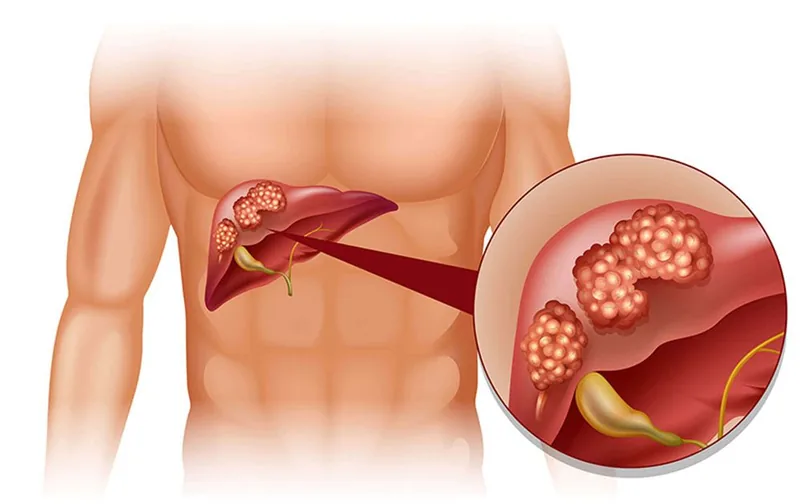
What is liver cancer?
- Liver cancer can be classified into two primary categories based on the site of histopathological origin:
- Primary Liver Cancer (Malignancies originating directly within the liver): This category encompasses malignancies that originate directly from transformed native liver tissue. Primary liver cancers include:
- Hepatocellular Carcinoma (HCC): This is the most common form of primary liver malignancy, arising from the principal functional cells of the liver (hepatocytes).
- Cholangiocarcinoma (Bile Duct Cancer): This is a less common malignancy that originates from the epithelial lining of the intrahepatic bile ducts.
- Hepatic Angiosarcoma: This is an infrequent form of hepatic malignancy arising from the vascular endothelial lining of the liver.
- Hepatoblastoma: This is an exceptionally rare malignancy originating from immature hepatic precursor cells (hepatoblasts), most commonly diagnosed in early childhood.
- Metastatic (Secondary) Liver Cancer (Malignancies metastasized to the liver from distant origins): Metastatic liver cancer occurs with greater frequency than primary liver malignancy. Tumor cells from distant primary organs can disseminate to the liver via the vascular or lymphatic systems. The most common primary sites that metastasize to the liver include the colon, rectum, lungs, and breasts.
Early detection and prompt therapeutic intervention are paramount to improving survival outcomes and preserving quality of life. This requires routine medical surveillance, accurate multi-modality diagnosis, and comprehensive treatment protocols—including surgical resection, targeted systemic therapies, radiotherapy, and supportive oncology care.
Clinical Symptoms of Liver Cancer
The signs and clinical symptoms of liver cancer vary substantially depending on the disease stage and the extent of dissemination. Commonly identified clinical manifestations include:
- Right upper quadrant abdominal pain: This pain may be attributed to the size of the hepatic tumor or the mechanical pressure exerted on adjacent muscles and ligaments surrounding the liver.
- Abdominal heaviness or palpable mass: As liver cancer progresses, the expanding tumor can create a persistent sensation of fullness and pressure within the upper abdomen.
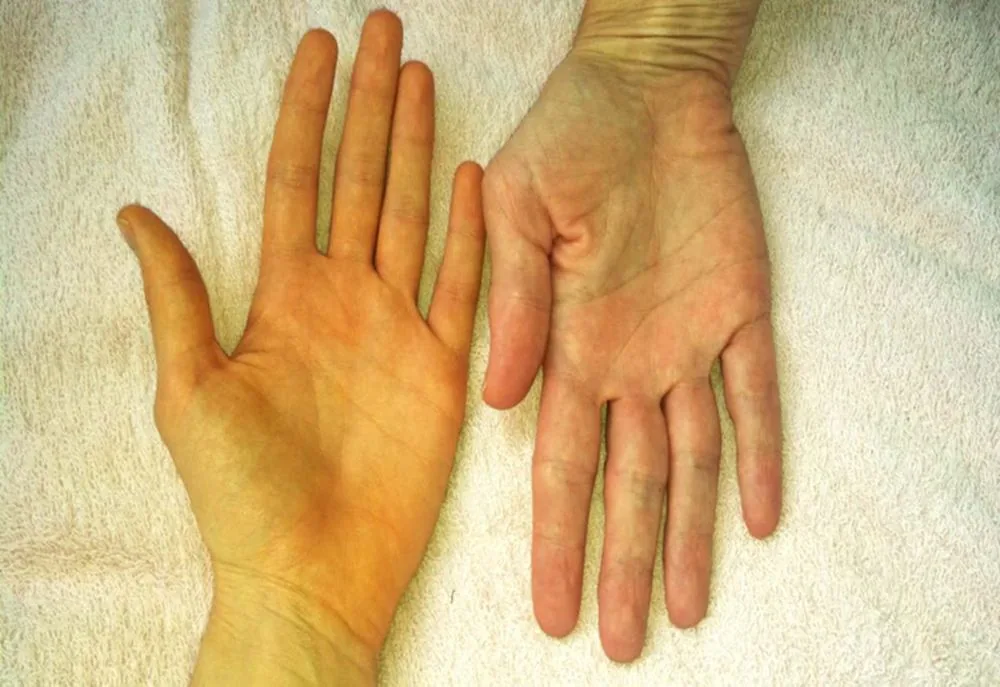
Recognizing the Signs and Symptoms of Liver Cancer
- Abdominal distension: Hepatomegaly or fluid accumulation (ascites) can cause notable abdominal distension and an increase in girth.
- Loss of appetite, early satiety, and weight loss: Liver cancer may induce gastrointestinal symptoms, including loss of appetite, early satiety, and rapid, unexplained weight loss.
- Fatigue and generalized weakness: Liver cancer can lead to persistent, unexplained fatigue and generalized physical weakness.
- Nausea and vomiting: Impaired liver function may present with gastrointestinal distress, such as nausea and vomiting.
- Jaundice (yellowing of skin and eyes) and dark urine: Malignant liver cells can obstruct the biliary system, leading to an accumulation of bilirubin in the blood. This condition frequently manifests as jaundice (yellowing of the skin and eyes) and dark-colored urine.
- Fever: Some liver cancer patients may develop unexplained fever.
In addition, there may be other symptoms and signs that can appear, such as stomach bleeding, pancreatic disorders, hormonal imbalances, loss of sexual interest, and manifestations of hepatitis.
Etiology of Liver Cancer
Causes and Risk Factors
- Viral hepatitis infection: Hepatitis B virus (HBV) and hepatitis C virus (HCV) represent the most significant risk factors for liver cancer. These viruses are transmitted through direct contact with infected blood or bodily fluids, including unprotected intercourse, sharing contaminated needles or injection equipment, and vertical transmission from mother to child during childbirth.

Causes of Liver Cancer
- Liver cirrhosis: Cirrhosis is characterized by progressive damage to hepatic tissue and subsequent replacement with collagen scar tissue. It commonly results from chronic hepatitis driven by viral infection, excessive alcohol consumption, or obesity. Cirrhosis significantly elevates the risk of developing liver cancer.
- Exposure to Carcinogens: Exposure to specific carcinogens—such as aflatoxins (mycotoxins produced by molds found in stored foods), dyes, industrial chemicals, and pesticides—can markedly heighten the risk of developing liver cancer.
- Chronic Liver Disease: Chronic liver conditions—including cirrhosis, chronic hepatitis (such as hepatitis B and C), and non-alcoholic fatty liver disease—may heighten the risk of developing liver cancer.
- Family History: A documented family history of liver cancer may also serve as a contributing risk factor.
- Alcohol Consumption and Tobacco Use: Excessive alcohol consumption and tobacco use can elevate the risk of liver cancer.
- Obesity and Diabetes: Obesity and diabetes mellitus are closely associated with an elevated risk of liver cancer.
Populations at Elevated Risk for Liver Cancer
- Age: Advancing age is associated with a higher incidence of liver cancer, with the median age at initial diagnosis typically ranging from 50 to 60 years.
- Gender: Men present a higher predisposition to liver cancer than women, with a male-to-female ratio of approximately 2:1.

Predisposed Cohorts for Liver Cancer
- Race and Ethnicity: Asian and Pacific Islander populations—particularly individuals of Vietnamese origin—demonstrate higher incidence rates of liver cancer compared to those of European ancestry.
- Viral Hepatitis Infection: Individuals affected by hepatitis B virus (HBV) or hepatitis C virus (HCV) face a significantly elevated risk of liver cancer. Persistent chronic hepatitis induces progressive hepatic injury, subsequently heightening oncological risk.
- Cirrhosis and Hepatic Fibrosis: Individuals presenting with liver fibrosis/cirrhosis or non-alcoholic fatty liver disease carry an elevated risk of liver cancer.
- Exposure to Carcinogens: Long-term exposure to carcinogens such as arsenic, aflatoxin (found in mold on food), vinyl chloride, and thorium dioxide may increase the risk of liver cancer.
Alcohol consumption and smoking: Excessive alcohol consumption and smoking are both factors that increase the risk of liver cancer. - Steroid Utilization: Extended usage of anabolic steroids for physical conditioning and muscle augmentation may elevate the risk of liver cancer.
The aforementioned signs represent common clinical manifestations of liver cancer. However, these symptoms are non-specific and may overlap with other medical conditions. For a definitive diagnosis, a comprehensive medical consultation and examination are essential to accurately ascertain the underlying etiology.
Proactively protect your health with our experienced specialist doctors and advanced medical equipment.
📞 BOOK AN APPOINTMENT NOW: (+84) 28 2200 8686 – (+84) 901 295 399
⏰ Monday – Saturday: Morning 7:30 AM – 12:00 PM, Afternoon 1:30 PM – 5:00 PM | 24/7 Emergency: ((+84) 937 389 539)
💳 Full nationwide health insurance coverage & Direct billing for private insurance accepted