
PROTECTING YOUR HEART, SAFEGUARDING YOUR LIFE:
PREVENTING MYOCARDIAL INFARCTION

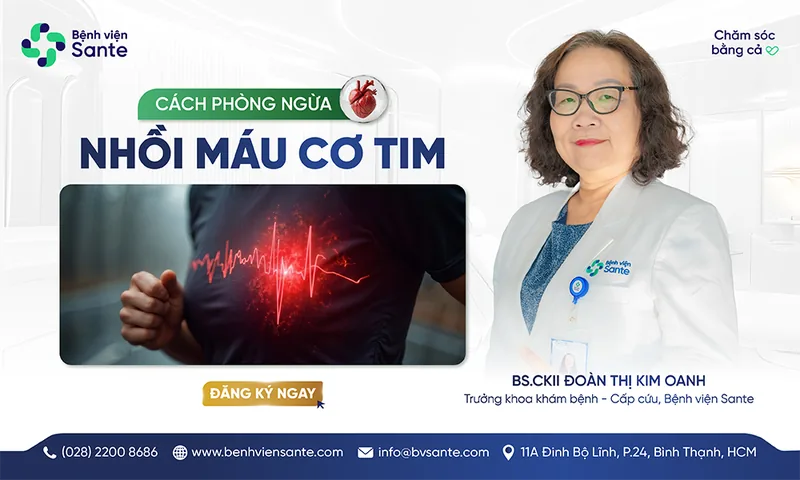
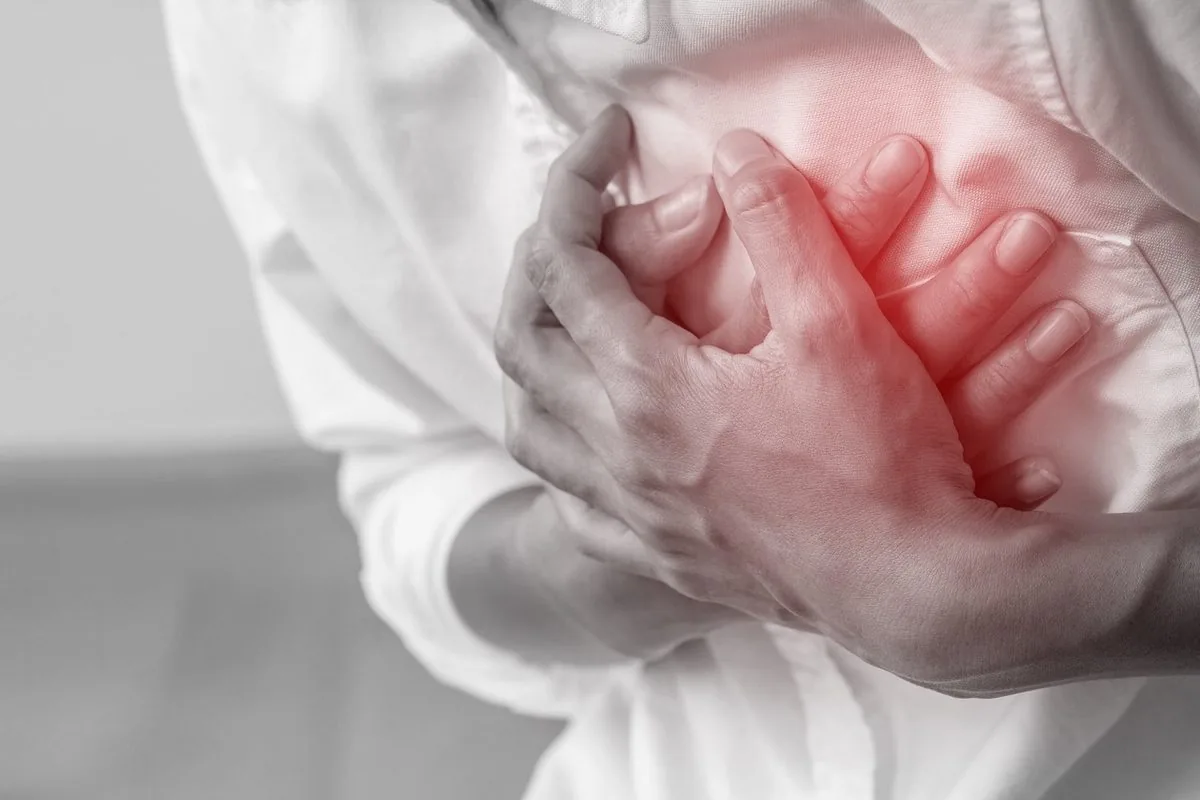
1. What is myocardial infarction?
- Atherosclerosis: Plaque accumulation within the arterial walls, narrowing the vascular lumen and elevating the risk of blood clot formation.
- Hypertension: Elevated arterial pressure damages the vascular walls, significantly increasing the risk of atherosclerotic plaque rupture.
- Hypercholesterolemia: High levels of low-density lipoprotein (bad cholesterol) accelerate the formation and progression of atherosclerotic plaques.
- Diabetes mellitus: Diabetes elevates the risk of atherosclerosis and induces damage to both macrovascular and microvascular systems.
- Smoking: Nicotine in tobacco constricts blood vessels, elevates blood pressure, and increases heart rate.
- Sedentary lifestyle: Lack of physical activity increases the risk of obesity, hypertension, and hypercholesterolemia.
- Obesity and metabolic syndrome increase insulin resistance, hypertension, dyslipidemia, and hyperkinetic disorders.
– Stress: Prolonged stress increases the secretion of the hormones cortisol and catecholamines, causing increased heart rate and increased cardiac workload.
3. Preventive measures for myocardial infarction
3.1 Maintaining a healthy lifestyle
- Enhancing physical activity: Regularly engage in physical exercises under the guidance of healthcare professionals for at least 30 minutes daily, 5 times per week, focusing on endurance and flexibility training to optimize cardiovascular health.
- Balanced diet: Prioritize dietary fiber-rich foods such as green vegetables, fruits, whole grains, and omega-3-rich fish. Restrict foods with a high glycemic index (GI), keep sodium intake to < 5 g/day, limit saturated fats to < 10% of total daily energy intake, and avoid trans fats.
3.2 Risk factor management
- Blood pressure management: Hypertension is a primary risk factor for myocardial infarction. Regularly monitor your blood pressure and adjust dietary and lifestyle habits accordingly.
- Lowering bad cholesterol (LDL): Elevated cholesterol concentrations can cause atherosclerosis. Maintain your target cholesterol levels as directed and prescribed by your physician.
- Blood glucose control: Patients with diabetes face an elevated risk of myocardial infarction. Regularly monitor blood glucose and HbA1c levels, screen periodically for microvascular and macrovascular complications, and strictly comply with the clinical treatment protocol.
3.3 Smoking Cessation and Moderation of Alcohol Intake
Smoking damages arterial walls and increases the risk of thrombus formation. Smoking cessation not only enhances cardiovascular health but also confers numerous other health benefits. In addition, you should limit alcohol consumption (no more than 2 units of wine/day for men, and no more than 1 unit of wine/day for women), as excessive intake can lead to hypertension, metabolic disorders, and alcohol poisoning.
3.4 Stress management and routine health check-ups
Chronic stress can adversely affect cardiovascular health. Learn how to relax, rest properly, and practice techniques such as meditation and yoga to maintain psychological stability. Additionally, you should undergo regular health check-ups to enable early detection of risk factors and timely intervention. In particular, if you have a family history of cardiovascular disease or have experienced warning signs such as hypertensive emergencies, angina, or dyspnea, seek immediate medical evaluation at a hospital.

And always remember, prevention is always better than cure. Start making lifestyle changes today to protect your heart and enjoy a healthy, happy life!
Contact us immediately for consultations and to book an appointment with leading specialists at Sante Hospital:
Address: 11A Dinh Bo Linh, Ward 24, Binh Thanh District, Ho Chi Minh City
Hotline: (+84) 28 2200 8686
Fanpage: www.facebook.com/benhviensante
Website: www.benhviensante.com
Proactively protect your health with our experienced specialist doctors and advanced medical equipment.
📞 BOOK AN APPOINTMENT NOW: (+84) 28 2200 8686 – (+84) 901 295 399
⏰ Monday – Saturday: Morning 7:30 AM – 12:00 PM, Afternoon 1:30 PM – 5:00 PM | 24/7 Emergency: ((+84) 937 389 539)
💳 Full nationwide health insurance coverage & Direct billing for private insurance accepted
