
Bệnh Sởi – Nguyên Nhân, Triệu Chứng Và Biện Pháp Phòng Ngừa

1. Overview
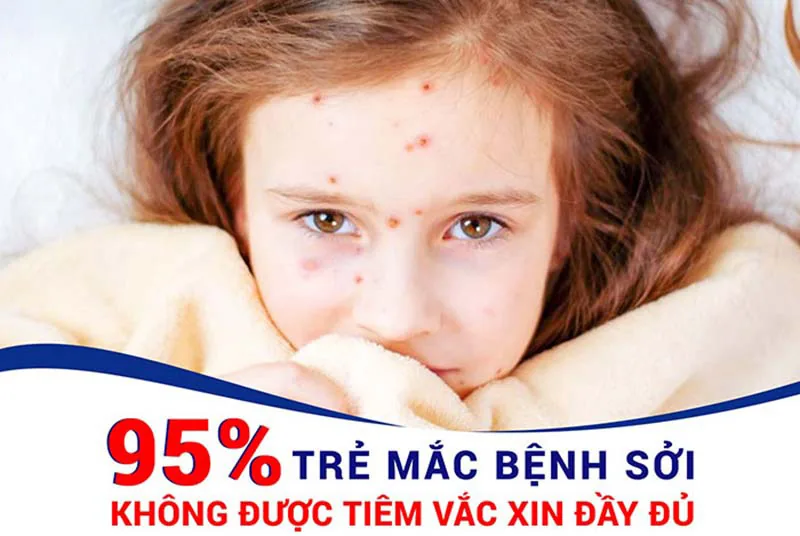
Measles is an acute viral infectious disease that can affect individuals of all ages, particularly children and immunocompromised individuals. Measles is highly contagious via the respiratory route and can cause severe complications. According to the World Health Organization (WHO), there were 160.000 measles-related deaths globally in 2022, predominantly among children under 5 years of age who were unvaccinated or incompletely vaccinated. The majority (over 95%) of fatalities occurred in low-income countries with inadequate healthcare infrastructure.

2. Causes
- Sharing food or beverages with a measles patient.
- Kissing a measles patient.
- Shaking hands, holding hands, or engaging in close physical contact with a measles patient.
- Touching a virus-contaminated surface and subsequently touching your mouth, nose, or eyes.
- Transmission from a pregnant individual to their infant — during pregnancy, childbirth, or breastfeeding.
3. Symptoms
Following measles infection, the incubation period typically ranges from 7 to 14 days. Common initial symptoms include:
- High fever, exceeding 39°C.
- Dry cough, runny nose, and sore throat.
- Red eyes and sensitivity to light (photophobia).
- Appearance of tiny white spots (known as Koplik spots) inside the oral cavity, typically on the inner lining of the cheeks.
– After a few days, red rashes begin to appear, gradually spreading from the face to the entire body. The rash will last for 5 to 6 days and gradually fade
4. Complications
- Pneumonia: The most common and hazardous complication, especially in young children and older adults.
- Encephalitis: The incidence of measles-induced encephalitis is approximately 1 in 1,000 cases, which may result in permanent neurological damage.
- Otitis media: Causes earache, impaired hearing, and middle ear infection.
- Severe diarrhea and dehydration, leading to critical electrolyte imbalances.
- Malnutrition: Patients frequently experience loss of appetite and immune system compromise during the illness.
- Pregnant women have an elevated risk of delivering low-birth-weight infants or experiencing preterm birth.
5. Prevention
- Enhancing personal hygiene, disinfecting the nasopharynx, maintaining body warmth, boosting immune resilience, and washing hands frequently.
- Isolating the infected individual, with the quarantine period lasting from the time measles is suspected until at least 4 days post-onset of the rash.
- Wearing a face mask when in contact with the patient. N95 respirators are advised for patients, caregivers, and healthcare personnel.
Currently, there is no specific targeted antiviral therapy for measles; management primarily focuses on symptomatic relief and prevention of complications:
- Consuming adequate warm fluids to maintain hydration and prevent dehydration.
- Administering antipyretics such as acetaminophen or ibuprofen.
- Resting and avoiding bright light exposure to alleviate ocular irritation.
– Severe cases require hospitalization for the treatment of complications.
Proactively protect your health with our experienced specialist doctors and advanced medical equipment.
📞 BOOK AN APPOINTMENT NOW: (+84) 28 2200 8686 – (+84) 901 295 399
⏰ Monday – Saturday: Morning 7:30 AM – 12:00 PM, Afternoon 1:30 PM – 5:00 PM | 24/7 Emergency: ((+84) 937 389 539)
💳 Full nationwide health insurance coverage & Direct billing for private insurance accepted