
Loss of smell - Causes, symptoms, and prevention methods

Table of Contents
SANTE Expert Perspective: Anosmia is defined as the complete loss or profound diminution of the sense of smell. Depending on its underlying etiology, this impairment may be transient or permanent, and can significantly compromise both clinical health and overall quality of life.

Primary etiologies contributing to olfactory dysfunction include:
- Sinonasal pathologies, including rhinosinusitis, rhinitis, nasal polyposis, neoplasms, and deviated nasal septum. These conditions may induce mechanical obstruction, mucosal inflammation, or direct injury to olfactory neuroepithelial cells, attenuating sensory perception.
- Neurological and neurodegenerative disorders, such as traumatic brain injury, neurosurgical interventions, intracranial tumors, Alzheimer's disease, Parkinson's disease, and Kallmann syndrome. These conditions can disrupt or degenerate central olfactory processing centers, culminating in complete anosmia.
- Environmental neurotoxins and irritants, including prolonged exposure to industrial chemicals, agricultural pesticides, tobacco smoke, and airborne pollutants. These noxious agents can induce chronic mucosal inflammation and degenerate olfactory sensory neurons, impairing acuity.
- Infectious diseases, such as the common cold, influenza, and COVID-19. These viral pathogens can trigger localized inflammation or selectively compromise olfactory sustentacular cells, resulting in transient olfactory loss.
Characteristic clinical manifestations of olfactory dysfunction include:
- A complete inability to detect ambient odors (anosmia) or a pronounced reduction in olfactory acuity (hyposmia).
- Qualitative olfactory distortions (parosmia) or perception of phantom odors (phantosmia), frequently accompanied by dysgeusia or ageusia due to the intricate sensory nexus between olfaction and gustation.
- Marked reduction in appetite and culinary interest, stemming from the inability to appreciate the nuanced sensory profile of food.
- Compromised personal safety and heightened vulnerability, due to an inability to perceive environmental warning cues such as gas leaks, smoke, fire, or spoiled food.
- Blunted emotional resonance and mnemonic recall, as the absence of olfactory stimuli impairs the spontaneous retrieval of evocative personal memories.
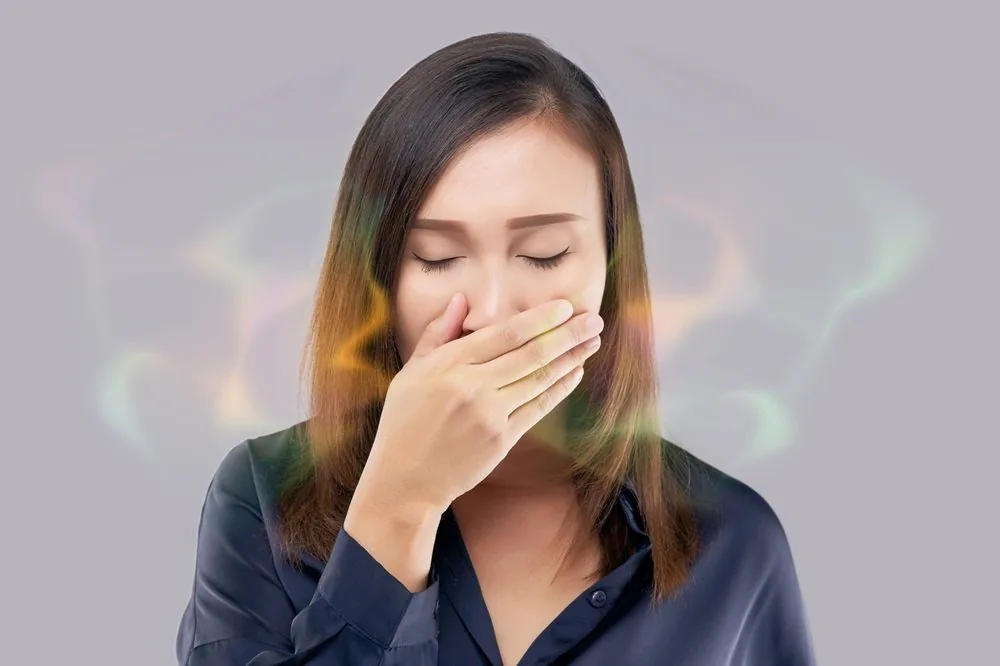
Preventive Guidelines for Preserving Olfactory Function
- Maintain meticulous nasal hygiene via regular irrigation with 0.9% sterile physiological saline. This practice effectively clears particulates, pathogens, and allergens from the respiratory mucosa.
- Minimize exposure to industrial toxins, agricultural pesticides, tobacco smoke, particulate pollution, and noxious chemical vapors, all of which can damage olfactory sensory neurons or induce chronic vascular congestion.
- Safeguard the cranium and midfacial structures during activities carrying a risk of trauma. Wear certified protective helmets while cycling, motorcycling, skiing, or undertaking high-impact sports, and avoid placing sharp or thermally elevated objects near the nasal vestibule.
- Maintain comprehensive immunizations to defend against infectious diseases associated with olfactory impairment, such as influenza, COVID-19, Japanese encephalitis, and meningitis. Regularly review and update your vaccination profile with your clinician.
- Equip living spaces with sensitive smoke alarms, combustible gas detectors, and environmental sensors. These alert systems provide essential early intervention against domestic hazards such as fires, gas leaks, and spoiled goods.
- Clearly label expiry dates on perishable foods and systematically catalog stored leftovers. This disciplined protocol protects against inadvertent foodborne illness and acute gastrointestinal infections.
- Maintain a well-balanced diet rich in zinc and vitamins A, B, C, D, E, and K. These essential nutrients play a vital role in supporting the integrity of olfactory neurons and strengthening the immune system.
Anosmia, or loss of smell, can significantly compromise one's daily comfort and quality of life. Fortunately, with early clinical evaluation and prompt intervention, the prognosis for sensory recovery is remarkably favorable. If you experience any decline in your sense of smell, we advise consulting a specialist for comprehensive assessment. Furthermore, preventive measures—such as practicing meticulous nasal hygiene, minimizing chemical exposure, protecting against head trauma, and maintaining up-to-date immunizations—remain essential.
BOOK APPOINTMENT & HEALTH CONSULTATION AT SANTE HOSPITAL
Proactively protect your health with our experienced specialist doctors and advanced medical equipment.
📞 BOOK AN APPOINTMENT NOW: (+84) 28 2200 8686 – (+84) 901 295 399
📍 11A Dinh Bo Linh, Ward 24, Binh Thanh District, Ho Chi Minh City (Gate 2: Alley 72 Bach Dang)
⏰ Monday – Saturday: Morning 7:30 AM – 12:00 PM, Afternoon 1:30 PM – 5:00 PM | 24/7 Emergency: ((+84) 937 389 539)
💳 Full nationwide health insurance coverage & Direct billing for private insurance accepted
⏰ Monday – Saturday: Morning 7:30 AM – 12:00 PM, Afternoon 1:30 PM – 5:00 PM | 24/7 Emergency: ((+84) 937 389 539)
💳 Full nationwide health insurance coverage & Direct billing for private insurance accepted
Medical Disclaimer: The medical information provided is for educational and informational purposes only. Patients should not self-medicate or apply treatments without direct consultation with a qualified medical specialist.