
How is knee pain during transitional movements treated?

Knee Pain ...when standing up or sitting down is a common concern experienced by many. The knee joint bears the primary weight of the body during daily activities and physical labor. Consequently, knee pain may stem from various etiologies and directly compromises one's mobility and quality of life. Upon feeling discomfort, individuals should consult a physician promptly for timely management, thereby mitigating the risk of potential complications. Let us explore the nuances of knee pain during postural transitions in the article below.
What is knee pain when sitting down and standing up?
Knee Pain ...when standing up and sitting down is a frequent complaint that often arises acutely, presenting as either transient or lingering pain. This discomfort commonly manifests in the morning and may be accompanied by several atypical symptoms, including:
- The knee joint is swollen, erythematous, and warm to the touch.
- The periarticular musculature becomes weak, stiff, or tight, causing marked difficulty with knee flexion and extension.
- Audible clicking or popping sensations (crepitus) in the knee during movement.
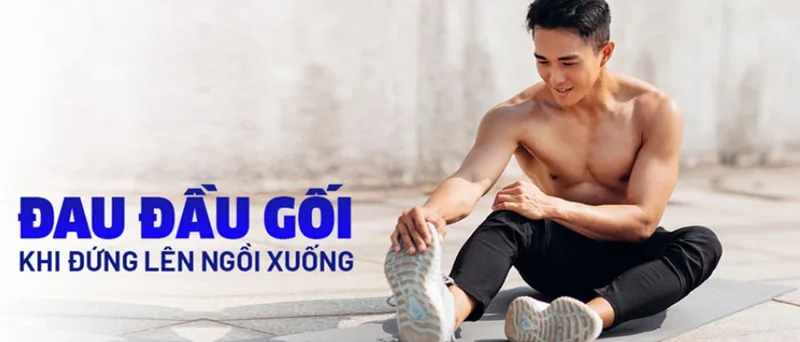
Understanding Knee Pain When Transitioning Between Sitting and Standing
What causes knee pain when rising or sitting down?
Patellofemoral Pain Syndrome (PFPS)
- Patellofemoral pain syndrome is a clinical condition characterized by anterior knee pain resulting from mechanical irritation or structural compromise of the anterior knee joint compartments.
- Primary etiologies include:
- Patellar dislocation or subluxation.
- Muscular imbalances of the thigh.
- Joint overuse or repetitive physical stress.
- Among these, excessive physical exertion is the most prevalent etiology. This imparts substantial biomechanical stress onto the knee joint, provoking distressing pain and discomfort. Over time, persistent stress may precipitate increasingly severe clinical complications.
- Furthermore, muscular imbalance within the thigh region can irritate neural pathways within the adjacent tendons, synovial bursae, and periarticular musculature. Consequently, patients frequently manifest focal pain at this site upon rising or sitting down.
Prolonged Sitting in a Fixed Position
- Sedentary sitting for uninterrupted periods of 6 to 8 hours daily can induce joint stiffness and muscle contracture in the knees, eliciting an uncomfortable, persistent aching sensation.
- To mitigate this issue, establishing a disciplined regimen of standing, stretching, and ambulating every 30 to 60 minutes of seated posture is essential.
Improper Seated Posture
- Adopting improper ergonomics—such as crossing the legs or sitting with knees hyperflexed—can augment intra-articular pressure and impair peripheral vascular circulation, precipitating pain.
- Therefore, cultivating proper ergonomic habits is paramount. Optimal posture entails maintaining feet flat on the floor with an upright spine; the adjunct use of an ergonomic footrest is recommended to preserve ideal knee alignment and biomechanical balance.
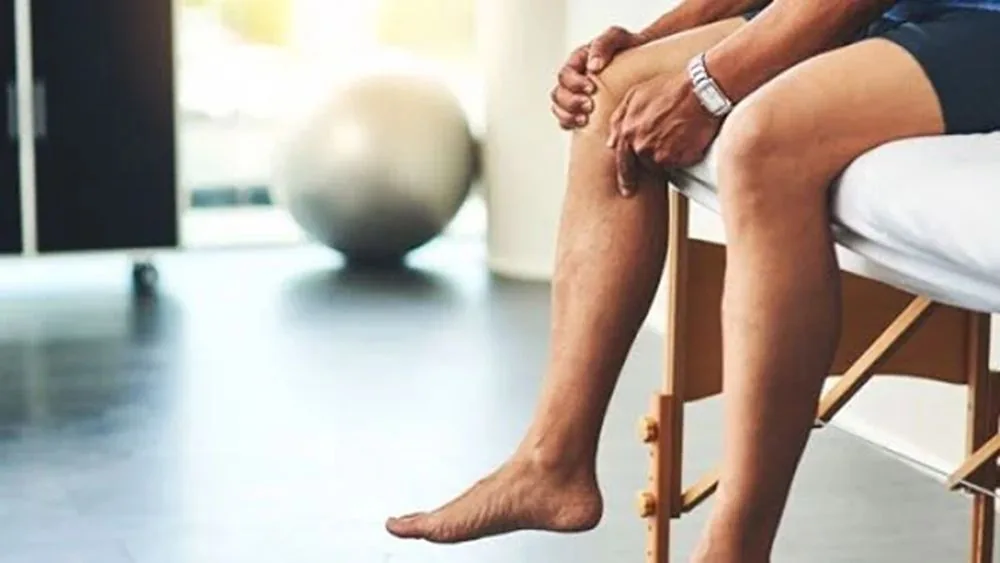
Clinical Causes of Knee Pain During Sit-to-Stand Transitions
Pelvic Region Pain
- When pelvic impairment occurs, patients encounter significant difficulty enduring prolonged sitting with flexed knees, deep squatting, or navigating stairways.
- Excessive mechanical stress exerted on the knee joint during physical exertion.
- Patellar trauma.
- Depending on the underlying cause, the physician may recommend analgesic medications or consider surgical intervention.
Knee Osteoarthritis
Knee osteoarthritis is a common degenerative condition that typically initiates after age 30 and becomes increasingly prominent beyond age 55. Its hallmark manifestation is pain and stiffness when rising or sitting down, signifying progressive wear of the articular cartilage and subchondral bone. As the joint surface loses its smooth congruency and roughens, increased friction induces mechanical discomfort during movement, frequently accompanied by joint crepitus.
How is knee pain during sit-to-stand movements treated?
– The PRICE protocol is recommended during the acute phase (the initial 3 to 5 days). PRICE represents five key clinical principles:
- Protect: Position the patient securely to prevent any continued direct impact or strain on the affected knee.
- Rest: Limit knee movement to provide adequate rest for tissue recovery.
- Ice (Cold Therapy): Apply cold packs to alleviate localized inflammation and swelling.
- Compression: Apply a supportive compression bandage to ensure joint stability.
- Elevation: Elevate the injured knee above the level of the heart to reduce edema.
– Implementing the PRICE protocol within the first 3 to 5 days of onset provides significant relief from acute discomfort. However, should symptoms persist or recur, we advise scheduling a comprehensive evaluation with an orthopedic specialist.
Medication
Pharmacological support may be prescribed depending on the etiology, including anti-inflammatory agents, muscle relaxants, analgesics, and joint-protective supplements. As musculoskeletal medications may occasionally cause adverse effects such as gastric discomfort, please consult a physician if the PRICE protocol yields insufficient relief.
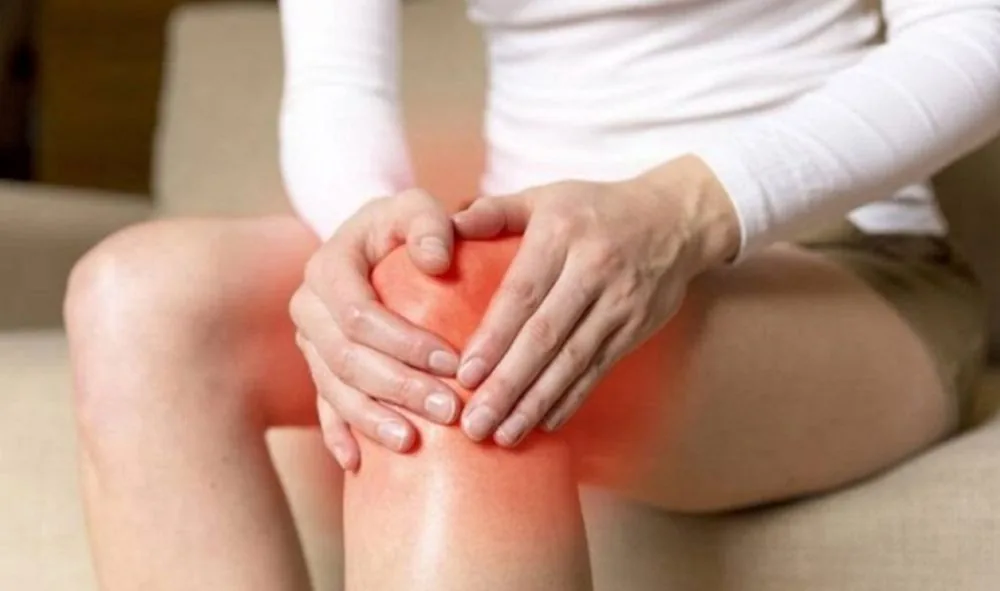
How is knee pain during sit-to-stand movements managed?
Physical Therapy
Physical therapy plays a pivotal role in rehabilitation following meniscal tears or osteoarthritis. This therapy integrates targeted strengthening, dynamic stretching, and manual techniques to alleviate pain and restore joint mobility. Combining adequate rest with structured rehabilitation substantially reduces the likelihood of reinjury.
Surgical Management for Knee Pain
Surgical intervention may be indicated if knee pain is driven by structural issues such as meniscal tears or advanced degenerative joint disease, or when conservative care proves ineffective. As with any surgical procedure, clinical considerations and risks are involved; patients are advised to consult closely with their surgeon to prepare both physically and mentally.
Preventing Knee Pain During Sit-to-Stand Transitions
– Maintaining an optimal body weight is fundamental to safeguarding joint health and reducing injury risk. Excess weight imposes substantial mechanical stress on the knees, accelerating cartilage wear. A balanced nutritional plan combined with appropriate exercise will support sustainable weight management.
– Wearing supportive, well-fitted footwear is equally vital in promoting biomechanical stability and preventing knee injuries. For running and athletic pursuits, footwear with proper cushioning, arch support, and precise sizing remains the premier choice.
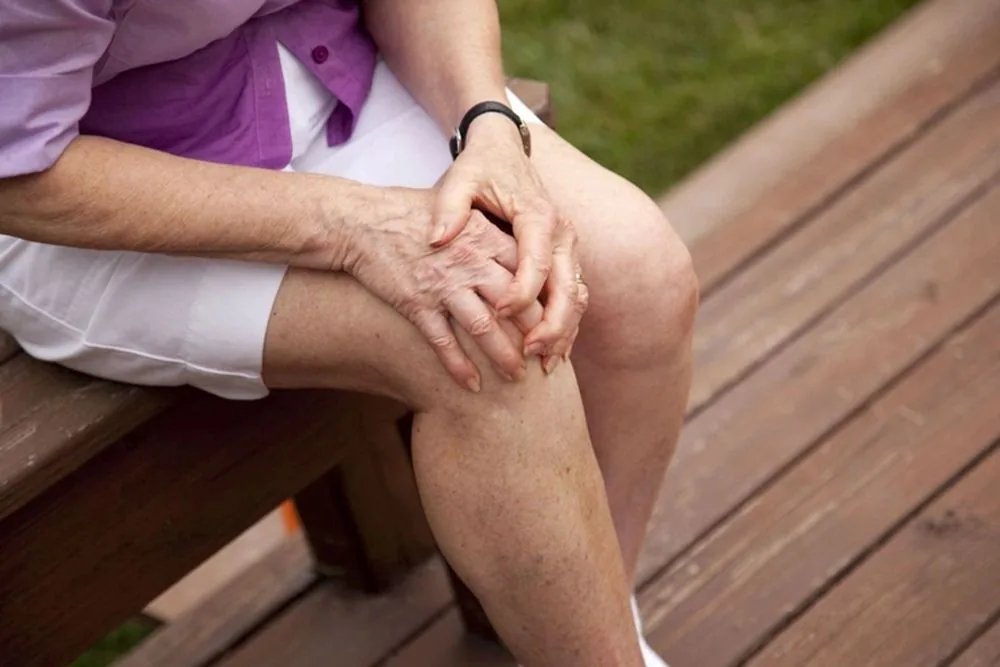
Preventive Strategies for Knee Pain Upon Standing
– Consistent physical exercise preserves muscular and skeletal integrity. To protect the knee joints from unnecessary stress, prioritize low-impact activities such as swimming, yoga, and walking over high-impact regimens.
– Modifying lifestyle habits detrimental to joint health is essential. Frequent use of high heels, kneeling, and deep knee flexion place excessive pressure on the patellofemoral compartment, potentially leading to chronic pain and structural degeneration.
– This overview provides an insightful guide to understanding, managing, and treating knee pain associated with sit-to-stand movements. We trust this information supports your journey to optimal joint wellness. Should you require personalized clinical guidance, our medical team remains at your service.
Proactively protect your health with our experienced specialist doctors and advanced medical equipment.
📞 BOOK AN APPOINTMENT NOW: (+84) 28 2200 8686 – (+84) 901 295 399
⏰ Monday – Saturday: Morning 7:30 AM – 12:00 PM, Afternoon 1:30 PM – 5:00 PM | 24/7 Emergency: ((+84) 937 389 539)
💳 Full nationwide health insurance coverage & Direct billing for private insurance accepted