
Hypertrophic Tonsillitis

1. Causes of Hypertrophic Tonsillitis
The primary causes of tonsillar hypertrophy include:
Infection: Bacterial pathogens (such as Streptococcus) and viral agents (such as Epstein-Barr virus) are the most frequent etiologies.Chronic tonsillitis: When the tonsils are recurrently inflamed, they may gradually hypertrophy over time.
Primary etiologies of tonsillar hypertrophy:
- Weakened immune system: Individuals with compromised immunity, such as young children or individuals with chronic illnesses, are more susceptible to hypertrophic tonsillitis.

2. Symptoms of Hypertrophic Tonsillitis
Common symptoms of hypertrophic tonsillitis include:
- Dysphagia and sore throat: Enlarged tonsils narrow the pharyngeal airway, causing localized pain and swallowing difficulties.
- Halitosis: Caused by the accumulation of bacteria and purulent exudate within the tonsils.
- Snoring: Hypertrophic tonsils can obstruct the upper airway, resulting in snoring or obstructive sleep apnea.
- Fever: The infection may induce a fever, accompanied by symptoms such as fatigue and chills.
– Swollen lymph nodes: Lymph nodes in the neck area may swell due to inflammation.
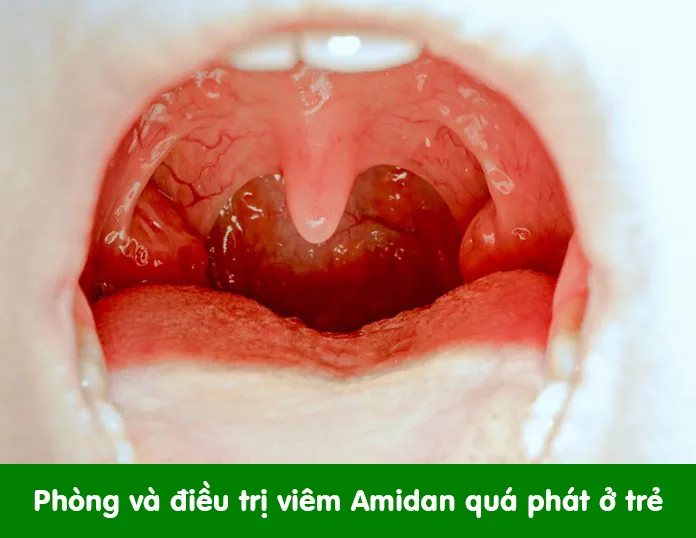
3. Diagnosis of Hypertrophic Tonsillitis
To diagnose hypertrophic tonsillitis, the doctor will perform the following steps:
- Clinical examination: The physician will evaluate the tonsils, throat, and regional lymph nodes.
- Blood tests: To identify infections and evaluate immune system function.
- Endoscopy: In certain clinical cases, nasopharyngoscopy may be indicated to examine the tonsillar region in detail and determine the extent of hypertrophy.
4. Therapeutic Approaches for Tonsillar Hypertrophy
Treatment of hypertrophic tonsillitis depends on the severity and general health status of the patient:
- Medication: Antibiotics, analgesics, and anti-inflammatory medications are commonly prescribed to treat infection and alleviate symptoms.
- Tonsillectomy: In cases where hypertrophic tonsillitis causes complications or is refractory to medical management, surgical tonsillectomy may be recommended.
- Home care: Adequate rest, proper hydration, and gargling with dilute saline solution can help soothe and relieve symptoms.
5. Prevention of Hypertrophic Tonsillitis
To prevent hypertrophic tonsillitis, the following measures should be noted:
- Maintaining personal hygiene: Wash hands frequently and avoid close contact with infected individuals.
- Maintaining a clean living environment: Avoid tobacco smoke, environmental dust, and other irritants.
– Boost the immune system: Ensure proper nutrition, exercise regularly, and get adequate sleep.

Contact Sante Hospital for consultation and examination by Dr. Tran Trong Uyen Minh, MD, PhD, with over 30 years of experience in Ear, Nose, and Throat (ENT) disorders. Sante Hospital applies nation-wide health insurance and direct billing insurance to provide optimal benefits for patients.
Contact us immediately for consultations and to book an appointment with leading specialists at Sante Hospital:
Address: 11A Dinh Bo Linh, Ward 24, Binh Thanh District, Ho Chi Minh City
Hotline: (+84) 28 2200 8686
Fanpage: www.facebook.com/benhviensante
Website: www.benhviensante.com
Proactively protect your health with our experienced specialist doctors and advanced medical equipment.
📞 BOOK AN APPOINTMENT NOW: (+84) 28 2200 8686 – (+84) 901 295 399
⏰ Monday – Saturday: Morning 7:30 AM – 12:00 PM, Afternoon 1:30 PM – 5:00 PM | 24/7 Emergency: ((+84) 937 389 539)
💳 Full nationwide health insurance coverage & Direct billing for private insurance accepted