
Hepatitis B: Transmission Routes and Prevention Strategies

Modes of Transmission
Hepatitis B virus (HBV) is transmitted primarily through three routes: bloodborne exposure, sexual contact, and mother-to-child (perinatal) transmission. Vietnam is situated in an area of high HBV endemicity (prevalence > 8%), with perinatal transmission serving as the predominant mode of spread.
Mother-to-child (perinatal) transmission of hepatitis B:
- Perinatal transmission of HBV is distinctive, typically occurring during the perinatal period or within the first few months of life rather than across the placenta; this represents both the most prevalent and critical route of infection.
- The risk of transmission is determined by maternal viral load (HBV DNA levels) and HBeAg serostatus during the third trimester. High maternal viral titers combined with a positive HBeAg result significantly elevate the likelihood of transmission to the infant.
- If the mother is positive for HBsAg, the transmission rate is approximately 20%. If HBcAg is detected, the transmission rate rises to around 90%, and maternal HBeAg positivity places the newborn at elevated risk of developing chronic hepatitis. Nonetheless, transmission is fully preventable if the infant receives prompt immunization within the first 12 hours of life.
- HBV is present in breast milk at negligible concentrations; therefore, transmission occurs primarily when infant suckling causes nipple abrasions or bleeding, resulting in exposure to infected maternal blood.
Bloodborne transmission of hepatitis B:
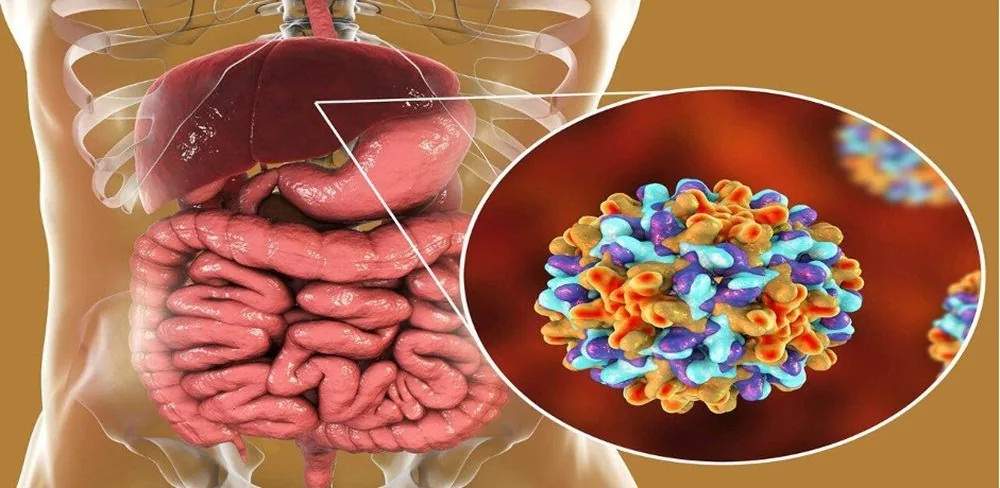
- Exposure of compromised skin or mucous membranes to blood from an HBV-infected individual poses a substantial risk of infection. HBV is also present in other bodily fluids—such as vaginal secretions, semen, breast milk, saliva, sweat, urine, feces, and bile; contact between compromised tissue and these fluids can transmit HBV, though at a significantly lower frequency.
- Reuse of needles and syringes: Transmission can also occur through the reuse of needles and syringes within healthcare environments or among individuals who inject illicit substances.
- Exposure to contaminated blood: HBV transmission may occur during medical, surgical, or dental interventions, through tattooing, or via personal grooming implements such as razors contaminated with infected blood.
Sexual transmission of hepatitis B:
Engaging in unprotected sexual intercourse (such as sex without barrier protection or sharing sex toys) with an HBV-infected partner carries a notable risk of infection. The virus present in genital secretions penetrates the body through microabrasions and accesses the bloodstream to establish infection. Sexual transmission is particularly prevalent among unvaccinated men who have sex with men (MSM), individuals with multiple partners, or those with commercial sex exposure.
Prevention of Hepatitis B
Vaccination provides the most reliable protection against hepatitis B. In parallel, proactive measures should be taken to minimize potential routes of viral transmission.
Hepatitis B Vaccination
Hepatitis B vaccination is indicated for the following populations:
- All newborns
- All previously unvaccinated children and adolescents under 19 years of age
- Individuals at risk of infection through sexual exposure
– Individuals with an HBV-positive sexual partner
– Individuals who have had multiple sexual partners within the past 6 months
– Individuals undergoing evaluation/treatment for or at high risk of sexually transmitted infections (STIs)
– Men who have sex with men (MSM)
- Individuals at risk of infection through bloodborne exposure:
– People who inject drugs (PWID)
– Household contacts of individuals diagnosed with hepatitis B
– Residents and staff of facilities caring for individuals with developmental disabilities
– Healthcare professionals and personnel in occupational roles with risk of exposure to blood or bodily fluidscontaminated with blood during occupational duties
– Patients undergoing regular hemodialysis
- Individuals with diabetes aged 19–59 (those with diabetes aged 60 and older should consult a doctor about whether to receive the vaccine. please or not).
- International travelers journeying to regions with high hepatitis B endemicity
- Individuals diagnosed with hepatitis C virus infection
- Individuals with chronic liver conditions
- Individuals living with HIV
- All other individuals who need vaccination to protect themselves from hepatitis B virus infection.
Individuals receiving vaccinations need to complete a series of 3 or 4 doses according to the vaccination schedule to achieve comprehensive protection.
Complementary Preventive Measures for Hepatitis B
In addition to vaccination, transmission of hepatitis B can be minimized through the following practices:
- Avoid sharing needles or any equipment that may have contacted blood or bodily fluids
- Wear clinical gloves whenever contact with blood or open wounds is anticipated
- Ensure that tattoo and body-piercing establishments utilize strictly sterilized instruments
- Refrain from sharing personal care items such as toothbrushes, razors, or nail clippers
- Practice safe sex at all times.
Medically reviewed by Doctor Nguyen Thi Dieu Huyen, MD - Specialist in Internal Medicine, Sante Hospital
Proactively protect your health with our experienced specialist doctors and advanced medical equipment. 📞 BOOK AN APPOINTMENT NOW: (+84) 28 2200 8686 – (+84) 901 295 399
⏰ Monday – Saturday: Morning 7:30 AM – 12:00 PM, Afternoon 1:30 PM – 5:00 PM | 24/7 Emergency: ((+84) 937 389 539)
💳 Full nationwide health insurance coverage & Direct billing for private insurance accepted