
NOISE-INDUCED HEARING LOSS FROM PROLONGED LOUD SOUND EXPOSURE

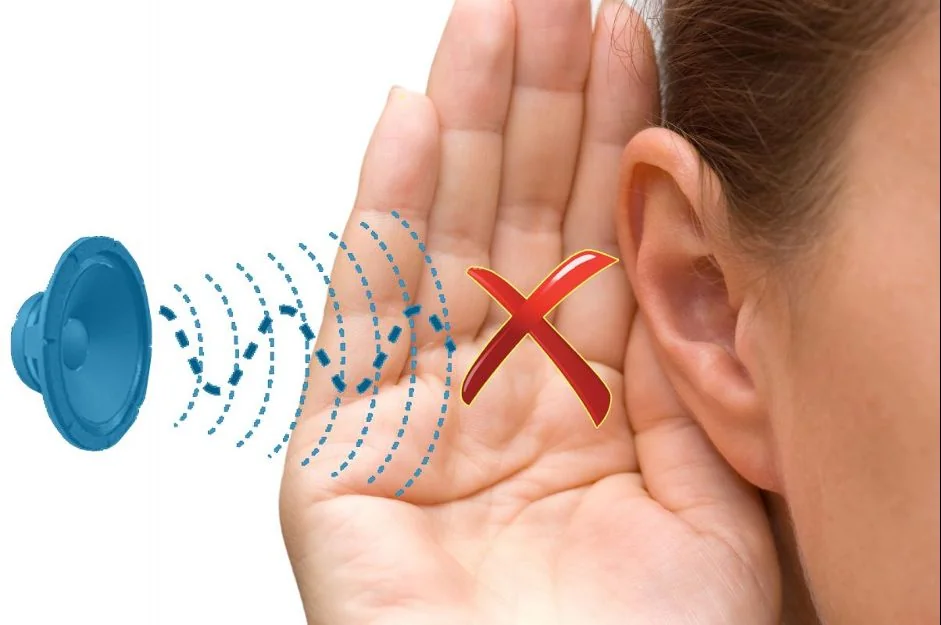
Listening to loud sounds for prolonged periods can cause hearing damage, leading to deafness or permanent hearing loss. Although sound is an essential part of life, when sound levels are excessively loud and exposure is prolonged, they can adversely affect the ears, impairing our hearing ability.

1. Loud noise and its impact on hearing
The human ear is structured to detect sound within a specific range. When sound exceeds the safety threshold (typically above 85 decibels), it can damage the microscopic hair cells in the inner ear (cochlea), which convert sound waves into electrical signals for the brain to interpret. Continuous exposure to loud noise can cause irreversible damage to these cells, resulting in hearing loss or even deafness.
2. Causes of noise-induced hearing loss
- Occupational environment: Professions such as construction workers, welders, audio engineers, or manufacturing plant specialists frequently operate in noisy environments where industrial machinery sounds can exceed safe acoustic limits.
- Personal audio device usage: Listening to audio through earphones at high volumes—especially over prolonged intervals—is an understated yet pervasive cause of auditory impairment. Excessive volume can induce inner ear trauma without presenting immediate painful sensations.
– Music events: Concerts or music festivals with extremely loud sound can also harm hearing if not properly protected.
3. Warning signs of noise-induced hearing loss
To detect noise-induced hearing loss early, we need to pay attention to the following signs:
- Experiencing tinnitus: This is a definitive sign of auditory trauma caused by exposure to intense noise. Tinnitus sensations may persist for several hours or even days following acoustic exposure.
- Decreased hearing sensitivity: Another significant indicator is difficulty hearing clearly, especially in noisy surroundings. You may find yourself requesting others to speak louder or needing to increase the volume of your telephone, television, or audio devices.
– Discomfort when hearing sounds: If you experience discomfort or headaches whenever exposed to loud sounds, it may be a sign of deteriorating hearing.
4. Preventive measures and hearing protection
Protecting hearing is extremely important to prevent noise-induced hearing loss. Here are some simple yet effective measures:
- Volume reduction: Lower the volume when listening through headphones or speakers, particularly in loud settings. The '60-60 rule' serves as an optimal guideline: maintain volume below 60% and limit listening duration to a maximum of 60 minutes per session.
- Using hearing protection: When working in high-noise environments, utilize earplugs or protective earmuffs to minimize the impact of loud sounds on your hearing.
– Regular hearing check-ups: If you work in a noisy environment or have a habit of listening to loud music, undergo periodic hearing tests for early detection and timely intervention if problems arise.
Department of Otorhinolaryngology (ENT) – Sante Hospital is a specialty for the examination and treatment of ear, nose, and throat diseases and related structures, fully equipped with modern devices such as endoscopes, CT-scanners, etc., meeting all medical examination and treatment needs.
⏰ Monday – Saturday: Morning 7:30 AM – 12:00 PM, Afternoon 1:30 PM – 5:00 PM | 24/7 Emergency: ((+84) 937 389 539)
💳 Full nationwide health insurance coverage & Direct billing for private insurance accepted
Proactively protect your health with our experienced specialist doctors and advanced medical equipment.
📞 BOOK AN APPOINTMENT NOW: (+84) 28 2200 8686 – (+84) 901 295 399
⏰ Monday – Saturday: Morning 7:30 AM – 12:00 PM, Afternoon 1:30 PM – 5:00 PM | 24/7 Emergency: ((+84) 937 389 539)
💳 Full nationwide health insurance coverage & Direct billing for private insurance accepted