
Granular Pharyngitis:
Causes, Diagnosis, and Treatment

Granular pharyngitis is a chronic manifestation of the throat region, characterized by the appearance of small nodules (lymphoid follicles) on the pharyngeal mucosa, especially on the posterior pharyngeal wall and nasopharyngeal vault.

What is granular pharyngitis?
Granular pharyngitis is a form of chronic pharyngitis in which lymphoid tissues on the pharyngeal wall become inflamed and enlarged, forming small red or white granules. The condition usually occurs when the pharyngeal mucosa is irritated by factors such as bacteria, viruses, or environmental factors. The condition rapid progression and a high recurrence rate cause patients to frequently face many uncomfortable symptoms affects the patient's quality of life.
Disease Classification and Staging
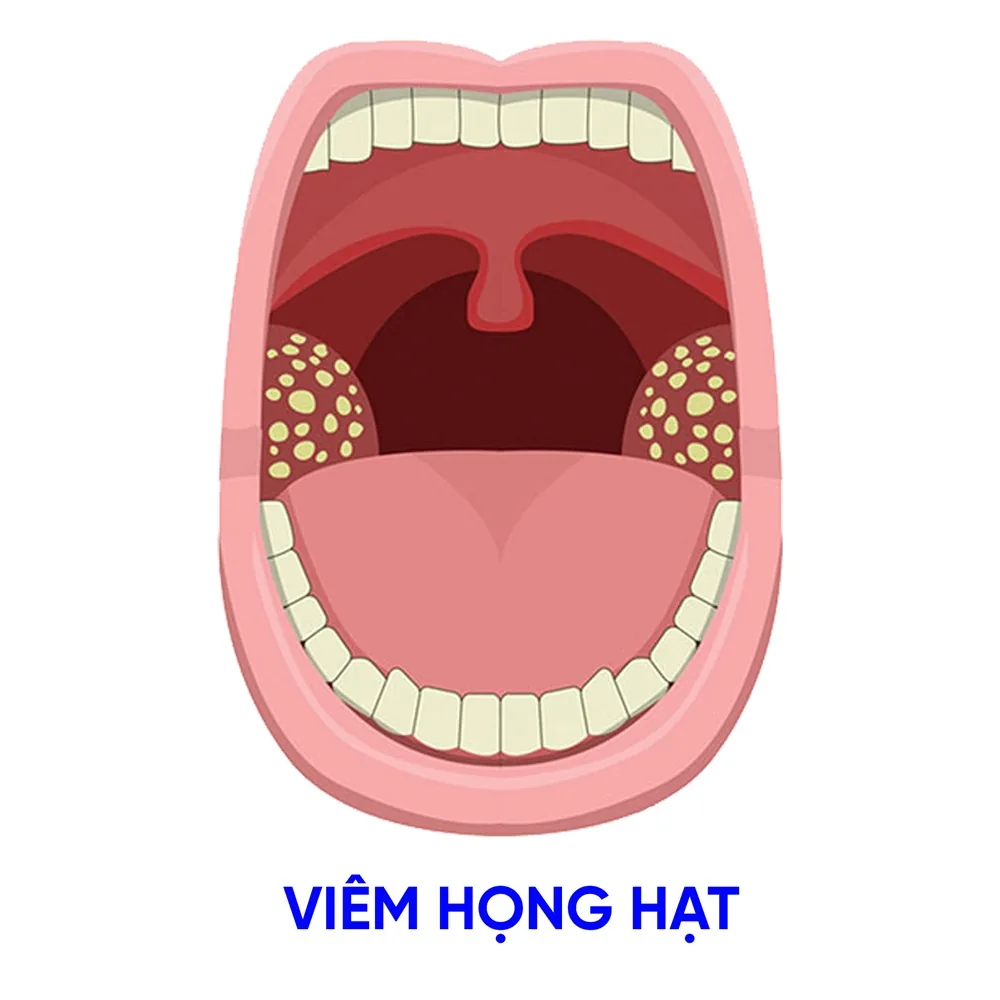
Granular pharyngitis is usually classified based on the severity and duration of symptoms:
-
Acute granular pharyngitis: Symptoms appear suddenly and last for several days to several weeks. Often associated with viral or bacterial infections.
-
Chronic granular pharyngitis: Symptoms last for more than 3 months and are usually the result of continuous exposure to irritants or unresolved inflammation.
Etiology and Clinical Symptoms
Causes:
-
Bacterial infection: Bacteria such as Streptococcus, Staphylococcus, or Mycoplasma.
-
Viral infection: Influenza viruses, adenovirus, or rhinovirus.
-
Environmental factors: Cigarette smoke, air pollution, chemicals.
-
Associated conditions: Sinusitis, rhinitis, gastroesophageal reflux disease, tonsillitis.
Symptoms:
-
Sore and burning throat, feeling dry and itchy.
-
Dysphagia and difficulty speaking.
-
The pharynx is erythematous and swollen, with small follicles appearing on the posterior pharyngeal wall.
-
Dry cough or productive cough.
-
Low-grade fever, fatigue, and headache.
Treatment Protocol for the Disease and Its Complications
Treatment Protocol:
-
Treatment of underlying causes: Administer antibiotics for bacterial infections and antiviral medications for viral infections.
-
Symptom relief: Using analgesics and antipyretics such as paracetamol and ibuprofen. Anti-inflammatory medications, throat gargles.
-
Supportive measures: Drink plenty of water, use a humidifier, get adequate rest.
-
Surgical Procedure: Management and treatment of associated clinical conditions
Preventive measures
-
Personal hygiene: Wash hands frequently, avoid contact with sick individuals.
-
Protecting the nose and throat: Avoid tobacco smoke, air pollution, and other irritants.
-
Overall health care: Maintain a healthy lifestyle, consume a nutritionally balanced diet, and exercise regularly.
-
Vaccination: Vaccination against influenza and other infectious diseases.
-
Periodic health check-up: Prompt treatment of related conditions such as sinusitis and rhinitis.
Although granular pharyngitis is not a serious medical condition, if not treated promptly and properly, it can lead to many symptoms or unpredictable complications. Having a clear understanding of the disease, its causes, symptoms, and preventive measures will help protect health and improve quality of life.
Proactively protect your health with our experienced specialist doctors and advanced medical equipment.
📞 BOOK AN APPOINTMENT NOW: (+84) 28 2200 8686 – (+84) 901 295 399
⏰ Monday – Saturday: Morning 7:30 AM – 12:00 PM, Afternoon 1:30 PM – 5:00 PM | 24/7 Emergency: ((+84) 937 389 539)
💳 Full nationwide health insurance coverage & Direct billing for private insurance accepted