
Proper Underarm Skincare:
Recommendations from Medical Specialists

Table of Contents
SANTE Expert Perspective: Axillary skincare is an essential yet often overlooked facet of daily personal care. To maintain healthy, comfortable underarm skin, adhering to medically sound practices delivers the finest outcomes. Below is a comprehensive guide to effective underarm care, recommended by our dermatologists for your daily routine.
Why Does Underarm Skin Require Distinct Care Compared to Other Areas?
- The axillary (underarm) skin is exceptionally delicate and prone to irritation without meticulous care. It comprises three primary layers: the epidermis (superficial layer), the dermis (middle layer), and subcutaneous adipose tissue (lower layer). Notably, these dermal layers are markedly thinner in this area, rendering the skin particularly fragile.
- Beneath the skin reside two types of sweat glands: eccrine glands and apocrine glands. These are crucial exocrine structures that assist in thermoregulation. When exposed to heat or elevated climates, the body initiates perspiration to cool the skin. Apocrine glands secrete lipids and proteins during periods of emotional stress; these lipids are subsequently metabolized by cutaneous microflora, representing the primary etiology of body odor. Remarkably, apocrine glands are concentrated mainly on the scalp, axillae, and genital region, whereas eccrine glands are distributed ubiquitously across the entire body.
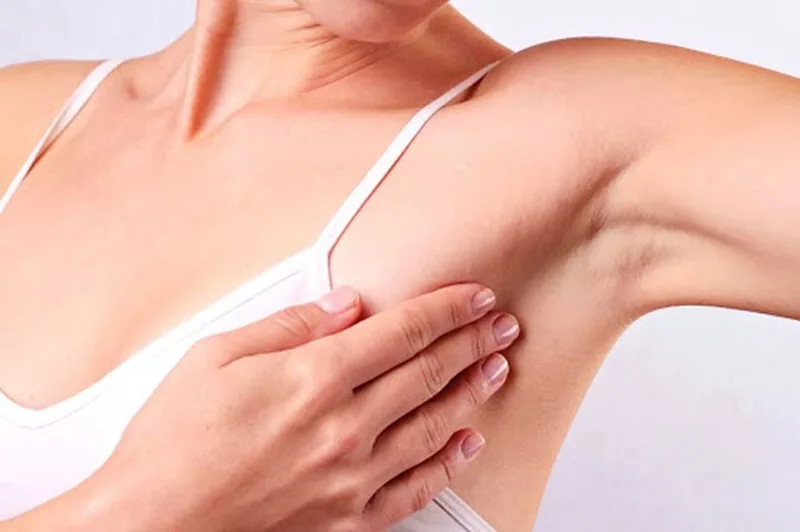
Why the Axillary Region Demands Specialized Attention
- The axilla is one of the warmest and most humid regions of the human body. This microenvironment fosters the proliferation of a diverse and abundant bacterial flora compared to other anatomical sites. Furthermore, the skin's pH in this region is relatively elevated, establishing favorable conditions for bacterial colonization. These bacterial strains break down the lipids and proteins secreted by sweat glands, resulting in body odor—a defining clinical distinction between axillary skin and other bodily regions.
Dermatologist-Recommended Protocols for Optimal Axillary Care
Daily Cleansing Protocol
- Daily hygiene is imperative for axillary skincare, as it represents an intertriginous region—an area where opposing skin surfaces touch, predisposed to maceration due to poor airflow and prone to harboring specific bacterial and fungal/yeast strains.
- Meticulous hygiene and care of the axillary area are vital to mitigate excessive moisture and sustain the natural equilibrium of the cutaneous microbiome. Nonetheless, skincare protocols must be approached gently. We recommend cleansing the underarm skin once daily (avoiding over-washing unless engaging in strenuous labor or vigorous physical exercise) and utilizing pH-balanced cleansers designed for delicate or axillary skin.
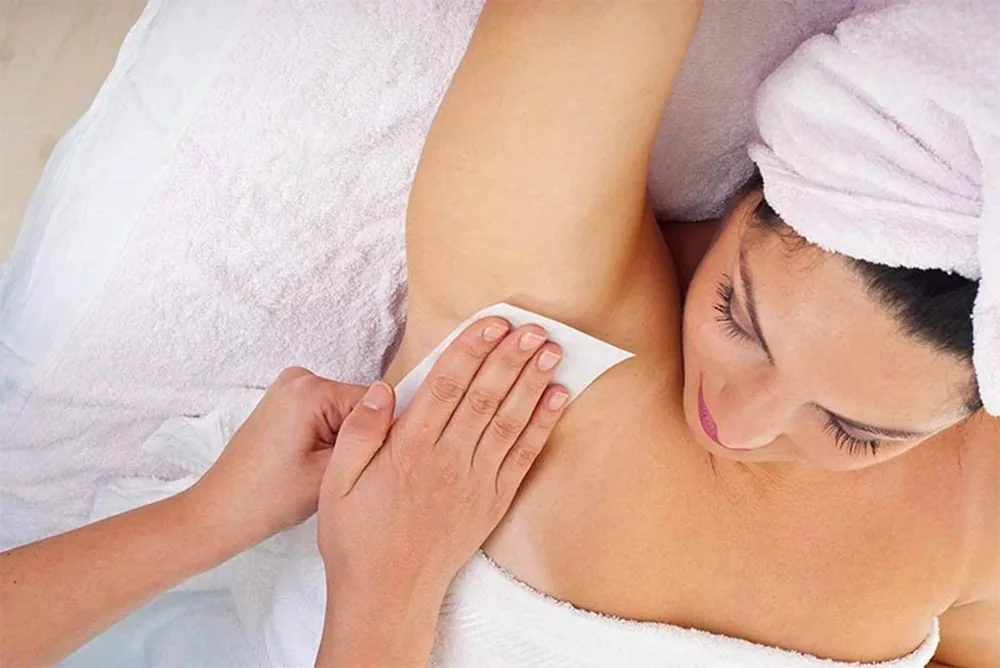
Essential Tips for Daily Axillary Cleansing
Regular Exfoliation
- Periodic exfoliation is essential for the axillary skin, just as it is for facial tissue. This zone remains vulnerable to sensitivity and irritation. Hyperseborrhea, comedogenic congestion, pustular breakouts (folliculitis), and the accumulation of dead corneocytes can render the skin lackluster and induce hyperpigmentation. Consequently, disciplined exfoliation is vital for underarm wellness.
- There are two primary methods for applying exfoliation.
- Physical exfoliation utilizes refined scrubs to manually sweep away dead cells and surface debris.
- Chemical exfoliation employs gentle active solutions—such as toners formulated with alpha-hydroxy acids (AHAs), beta-hydroxy acids (BHAs), or polyhydroxy acids (PHAs)—to effortlessly dissolve micro-impurities and cellular buildup.
- To prevent irritation, we recommend utilizing a glycolic acid toner (at a concentration not exceeding 5%) to clear devitalized cells while refining overall tone and texture. Alternatively, exfoliating deodorant pads formulated with fruit-derived glycolic acid and antioxidant-rich bioactives may be used to suppress odor-causing bacteria and reinstate the skin's physiologic microbiome balance.
Underarm Shaving Care
When shaving the underarms, glide the razor with effortless, featherlight precision. For a frictionless glide, apply a rich shaving gel—or a nourishing, hydrating cleanser—under a warm shower to guard against razor burn and micro-bumps. If your skin is prone to sensitivity or ingrown hairs, prepping the area the evening prior is highly advisable.
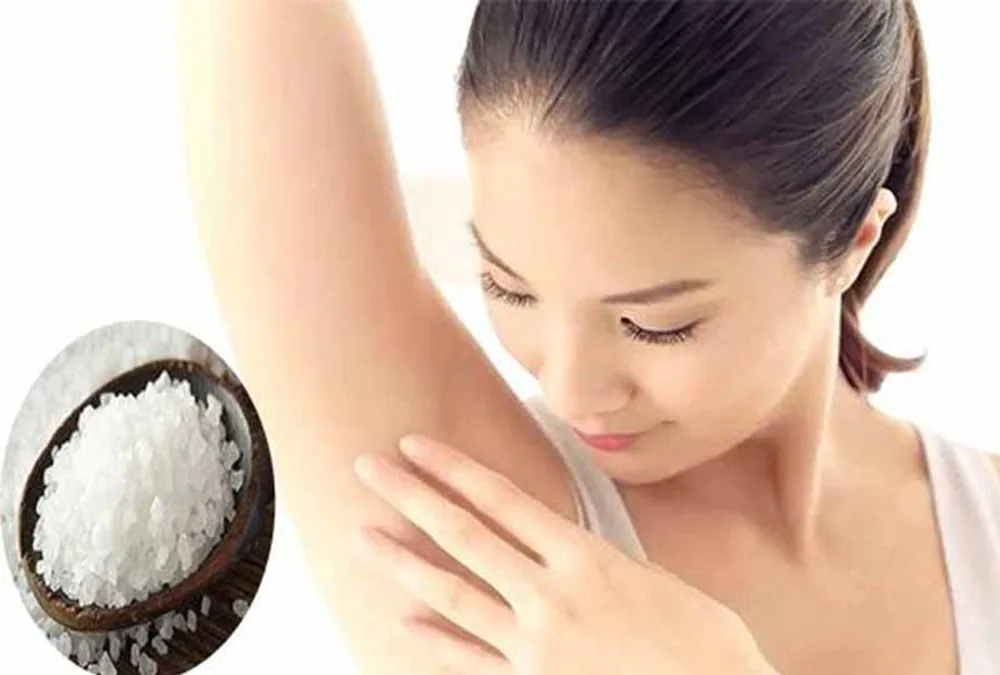
Precautions to Prevent Skin Trauma During Shaving
Intermittent Moisturizing
- To maintain axillary skin supple and hydrated—comparable to the face and other corporal regions—incessant moisturization is unnecessary, yet proper care remains indispensable. Because underarm tissue naturally retains moisture, applying a pH-balanced axillary or body cream once or twice weekly (or more frequently if marked dryness is present) is recommended to sustain dermal barrier integrity and velvety texture.
- Should cutaneous irritation arise, we recommend temporarily suspending hair shaving and transitioning to gentle, alternative deodorizing formulations. This strategy diminishes mechanical microtrauma, fostering an antibacterial environment while preserving skin softness.
Proper Odor Care
- When selecting a deodorant, the preeminent rule is to heed your body's individual response. If a product induces hypersensitivity or deposits excessive residue on dermis and attire, transition to a more refined alternative.
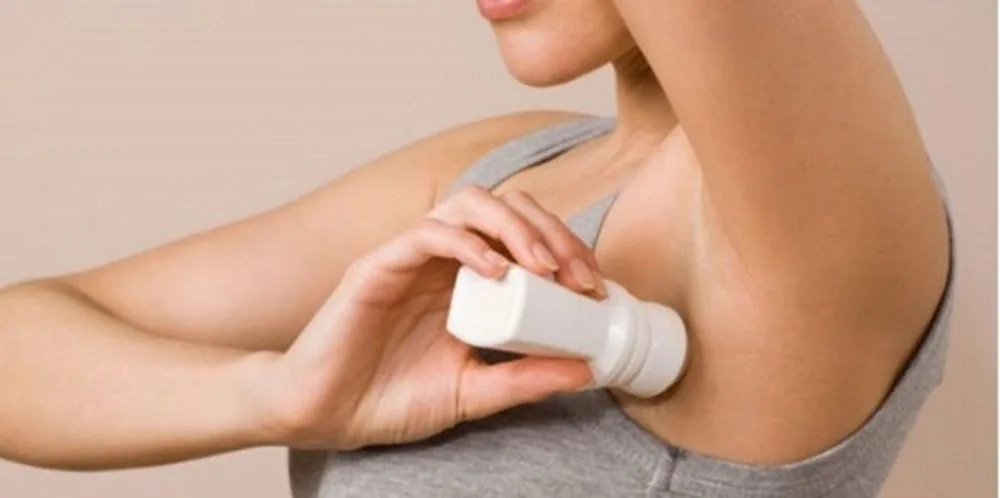
Refined Underarm Odor Management
- If you desire a superior, clinical-grade deodorant, consider a 'clean and minimalist' fragrance-free formula free from phthalates, parabens, sulfates, or artificial colorants. Furthermore, unless indicated for severe hyperhidrosis (excessive sweating), it is advisable to avoid aluminum-based antiperspirants as well as invasive neuromodulator injections or surgical interventions.
- In conclusion, optimal axillary skincare encompasses essential rituals: non-traumatic depilation, measured hydration, selecting non-irritating deodorants, and abstaining from aluminum compounds. The key is listening to your skin and personalizing your clinical routine to your comfort and health.
BOOK APPOINTMENT & HEALTH CONSULTATION AT SANTE HOSPITAL
Proactively protect your health with our experienced specialist doctors and advanced medical equipment.
📞 BOOK AN APPOINTMENT NOW: (+84) 28 2200 8686 – (+84) 901 295 399
📍 11A Dinh Bo Linh, Ward 24, Binh Thanh District, Ho Chi Minh City (Gate 2: Alley 72 Bach Dang)
⏰ Monday – Saturday: Morning 7:30 AM – 12:00 PM, Afternoon 1:30 PM – 5:00 PM | 24/7 Emergency: ((+84) 937 389 539)
💳 Full nationwide health insurance coverage & Direct billing for private insurance accepted
⏰ Monday – Saturday: Morning 7:30 AM – 12:00 PM, Afternoon 1:30 PM – 5:00 PM | 24/7 Emergency: ((+84) 937 389 539)
💳 Full nationwide health insurance coverage & Direct billing for private insurance accepted
Medical Disclaimer: The medical information provided is for educational and informational purposes only. Patients should not self-medicate or apply treatments without direct consultation with a qualified medical specialist.