
CAUSES OF VISCERAL FAT ACCUMULATION


As shared by Dr. Doan Thi Kim Oanh, Specialist Level II, Head of Outpatient & Emergency Department, Sante Hospital health issues caused by visceral fat will prompt us to reconsider our current lifestyle immediately. This is not just a warning, but an important message to help you better understand your health.
1. What is Visceral Fat?
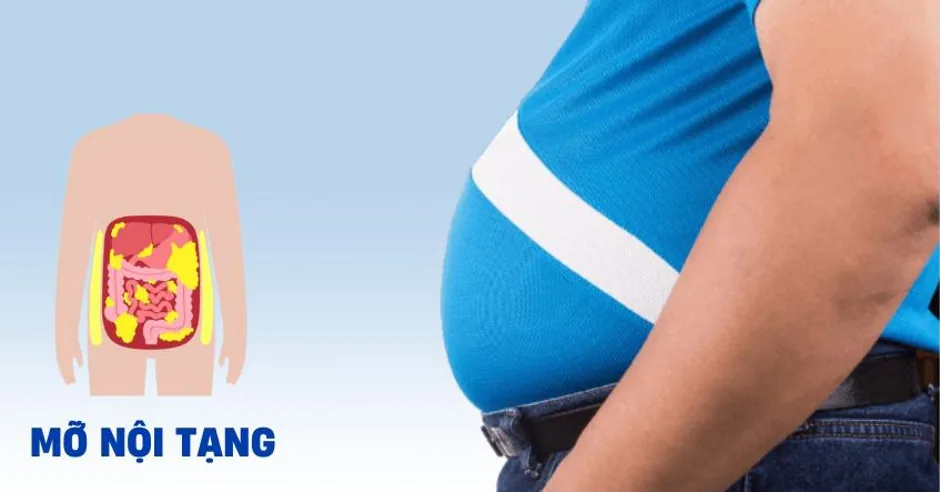
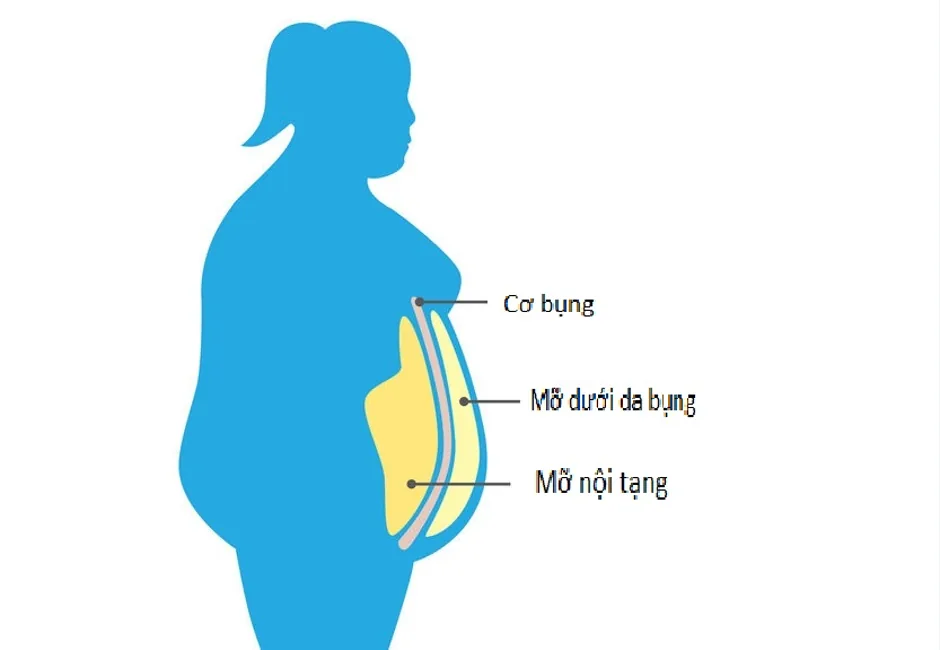
Visceral fat is the layer of adipose tissue stored within the abdominal cavity, accumulating around vital organs such as the liver, heart, pancreas, and intestines. Unlike subcutaneous fat, visceral fat is difficult to detect because it resides deep within the abdomen. In addition to increasing visceral adiposity, excess fat deposits within arterial walls, elevating the risk of vascular occlusion.
2. What causes visceral fat?
Visceral fat accumulation not only affects aesthetics but is also closely linked to many serious medical conditions. The main causes of this condition include:
2.1 Unhealthy diet
Excessive consumption of energy-dense foods, particularly saturated fats, simple sugars, and refined carbohydrates, is a leading cause of visceral fat. These foods are commonly found in fast food, confectionery, carbonated soft drinks, and fried items. When energy intake exceeds the body's requirements, the excess energy is converted into fat and stored in the liver and other visceral organs.
2.2 Sedentary lifestyle
A sedentary lifestyle prevents the body from expending excess energy. This is a common contributing factor to weight gain and visceral adiposity. An inactive lifestyle, limited engagement in physical activities, or lack of regular exercise increases the risk of fat accumulation.
2.3 Endocrine disorders
Endocrine dysfunctions, particularly involving insulin and cortisol, also contribute to the accumulation of visceral adipose tissue. When insulin, the key hormone regulating blood glucose, functions ineffectively due to impaired secretion or resistance in diabetes mellitus or metabolic syndrome, it accelerates systemic fat accumulation. Prolonged elevation of cortisol (the stress hormone) likewise promotes central abdominal adiposity.
2.4 Genetic factors
Genetics play a pivotal role in dictating physiological lipid distribution. Certain individuals possess an inherent genetic predisposition to accumulate visceral fat, significantly increasing the likelihood of developing cardiometabolic disorders such as type 2 diabetes, cardiovascular disease, non-alcoholic fatty liver disease, and dyslipidemia. With advancing age, physiological senescence naturally compromises basal metabolic rate. In postmenopausal women in particular, endocrine alterations accelerate the propensity for visceral adiposity, even in the absence of generalized weight gain.
2.5 Age and hormonal changes
With advancing age, metabolic rates decline due to the natural aging process, alongside hormonal alterations, particularly in postmenopausal women. This increases the risk of visceral adiposity, even in the absence of overall weight gain.
3. How to Reduce and Prevent Visceral Fat
To reduce and prevent visceral fat and its complications, an appropriate diet and a healthy lifestyle should be established.
3.1 Healthy diet
Limit foods rich in saturated fats, simple sugars, and refined carbohydrates, such as fast food, confectionery, and soft drinks. Increase the intake of green vegetables, fruits, whole grains, and lean proteins from fish, legumes, and white meat. Eating regular meals and maintaining proper dietary proportions also help reduce the risk of adipose accumulation.

3.2 Increasing physical activity
Regular physical activity, especially aerobic exercises such as jogging, swimming, or cycling, effectively burns fat. Combining these with stretching and resistance exercises helps enhance metabolic rate and reduce visceral fat.
3.3 Stress management
Prolonged stress increases the hormone cortisol, causing visceral fat accumulation. Practicing stress-reducing exercises such as meditation, yoga, or deep breathing helps balance mental well-being and supports fat management.
3.4 Routine health check-ups
Periodic health check-ups help detect risk factors early, thereby enabling timely interventions. In particular, individuals with a family history of conditions related to visceral fat require closer attention.Adopting a healthy lifestyle not only helps prevent visceral fat accumulation but also improves overall health, leading to a better quality of life.
Visceral fat is a concerning health issue as it is associated with numerous dangerous pathologies. Understanding the causes of visceral fat accumulation is the first step toward management and prevention. A balanced diet, regular exercise, and maintaining a healthy lifestyle are effective measures to minimize this risk.
Sante Hospital – a premier destination for comprehensive, dedicated healthcare. Backed by a team of distinguished specialists, state-of-the-art technology, and world-class medical services, we are committed to delivering optimal health solutions for you and your family. At Sante, your well-being is our utmost priority. Schedule your consultation today to experience high-caliber medical care.
Contact us immediately for consultations and to book an appointment with leading specialists at Sante Hospital:
Address: 11A Dinh Bo Linh, Ward 24, Binh Thanh District, Ho Chi Minh City
Hotline: (+84) 28 2200 8686
Fanpage: www.facebook.com/benhviensante
Website: www.benhviensante.com
Proactively protect your health with our experienced specialist doctors and advanced medical equipment.
📞 BOOK AN APPOINTMENT NOW: (+84) 28 2200 8686 – (+84) 901 295 399
⏰ Monday – Saturday: Morning 7:30 AM – 12:00 PM, Afternoon 1:30 PM – 5:00 PM | 24/7 Emergency: ((+84) 937 389 539)
💳 Full nationwide health insurance coverage & Direct billing for private insurance accepted
