
Allergic dermatitis in children:
Causes, symptoms, and treatment methods.

Pediatric atopic dermatitis presents as cutaneous erythema, often causing notable discomfort. The condition can stem from genetic predisposition or allergen exposure. Effective management and prevention require identifying specific triggers, minimizing contact with allergens, and keeping the skin clean and properly hydrated. Consulting a physician is crucial to obtaining an accurate diagnosis and tailored care plan. Please refer to the clinical guide below to better understand this condition and manage it effectively.
Common Presentations of Pediatric Atopic Dermatitis
Pediatric allergic dermatitis, commonly referred to as atopic dermatitis, is a chronic inflammatory skin disorder frequently seen in children. It is mediated by the immune system, occurring when the body mounts an exaggerated response to environmental allergens.
Common clinical forms of pediatric allergic dermatitis include:
Atopic Dermatitis
This condition compromises the epidermal barrier, presenting with xerosis, pruritus, and papular eruptions. Prone to recurrent flare-ups, it often manifests with erythematous patches, desquamation, microvesicles, edema, and intense itching, occasionally accompanied by distressing serous exudate.
Acute Atopic Dermatitis: Characterized by erythematous macules, scaling, vesicle eruption, edema, and persistent pruritus.
Chronic Atopic Dermatitis: Manifests as erythematous papules, desquamation, post-inflammatory dyschromia, and distressing serous weeping.
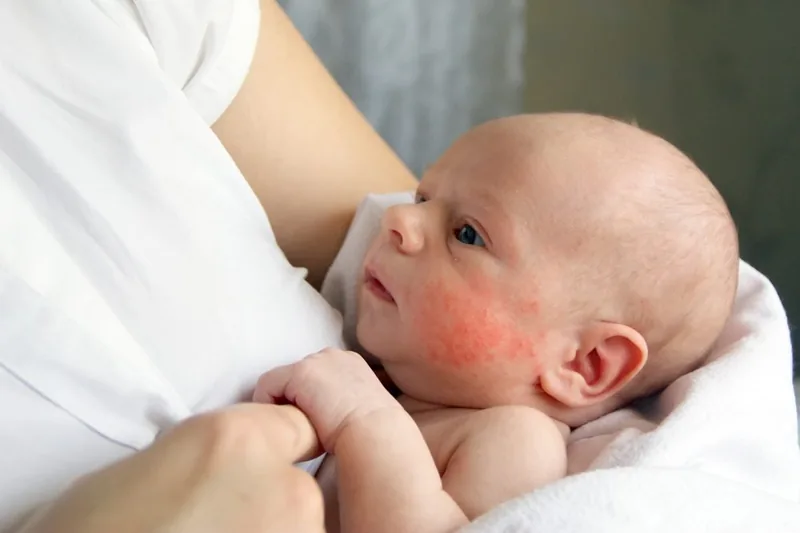
High Prevalence of Allergic Dermatitis in Children
Urticaria
Characterized by erythematous, pruritic wheals and localized edema; severe presentations may involve pyrexia, dyspnea, and dizziness. Commonly affected regions include the extremities, perioral tissue, and eyelids. Potential etiologies encompass infections, food and medication allergies, or exposure to environmental triggers such as pollen, insect stings, animal dander, chemical agents, and temperature shifts.
Cutaneous Rash
Characterized by swollen, pruritic, and erythematous areas of the skin. The rash may manifest on any part of the body and can vary in dimension.
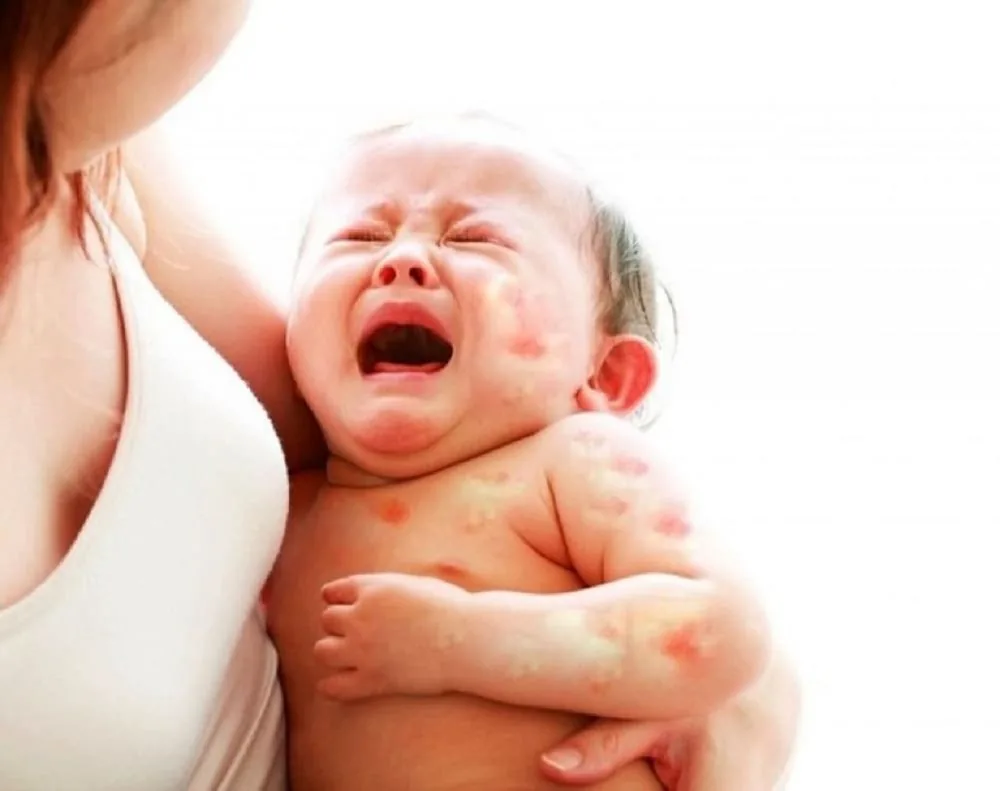
Urticaria (hives) and cutaneous eruptions are common clinical manifestations of allergic dermatitis in pediatric patients.
Angioedema
This condition induces swelling within the deeper dermal and subcutaneous layers, typically presenting without significant erythema or pruritus. It most frequently involves the periorbital tissue, lips, or genitalia, and may occur concurrently with or independently of a rash. This reaction is mediated by chemical releases from mast cells.
Contact Dermatitis
An allergic reaction triggered by direct cutaneous contact with exogenous agents such as environmental dust, pollen, or chemical substances, presenting as localized erythema.
Clinical Management of Allergic Dermatitis in Children
Etiological Identification: The primary objective is to identify the underlying allergens triggering the child's dermatitis. Potential etiologies include exposure to specific foods, pharmaceuticals, chemical irritants, or environmental allergens. Once identified, strictly minimizing or avoiding contact with these provocative agents is essential.
Cutaneous Hydration and Barrier Care: Reinforcing and hydrating the pediatric skin barrier is fundamental to therapeutic management. Apply fragrance-free, hypoallergenic emollient creams immediately following bathing and reapplied throughout the day as clinically indicated.

Accurate Clinical Assessment of Allergic Skin for Targeted Care
Targeted Antiallergic Pharmacotherapy: When clinically indicated, the attending physician may prescribe targeted antiallergic pharmacotherapy to alleviate symptomatic distress. This regimen may encompass oral antihistamines, topical corticosteroids, or other tailored therapeutic modalities.
Mitigating Pruritus and Scratching: Gently discourage the child from scratching, as mechanical trauma compromises the epidermal barrier and elevates the risk of secondary bacterial infection. Keeping the child's fingernails closely trimmed provides an effective protective measure.
Environmental Optimization: Ensure the child's living environment is clean and free from irritants such as dust, pollen, pet dander, harsh chemicals, etc. Launder items that come into contact with the child's skin using clean water, and avoid harsh detergents.
Consult a doctor: If the allergic dermatitis does not improve after implementing the above measures, you should consult a doctor. The doctor may provide an appropriate treatment plan or refer the child to a dermatology specialist for detailed consultation and treatment.
Preventive Guidelines for Pediatric Allergic Dermatitis
Minimizing Exposure to Known Allergens
Proactively identify specific allergens predisposing the child's skin to irritation or inflammatory flares. Common culprits encompass dietary triggers (such as eggs, tree nuts, legumes, seafood, and dairy), synthetic chemicals within personal care products, pharmaceuticals, and environmental stimulants like pollen, dust, and animal dander. Restricting exposure to these verified triggers significantly diminishes the recurrence of dermatitis.
Utilizing Dermatologically Approved Skincare Formulations
Select pediatric-formulated skincare solutions completely free of synthetic fragrances and potential irritants. Incorporate gentle, barrier-restorative cleansers and emollients engineered to nourish without compromising hydration or inducing sensitivity.
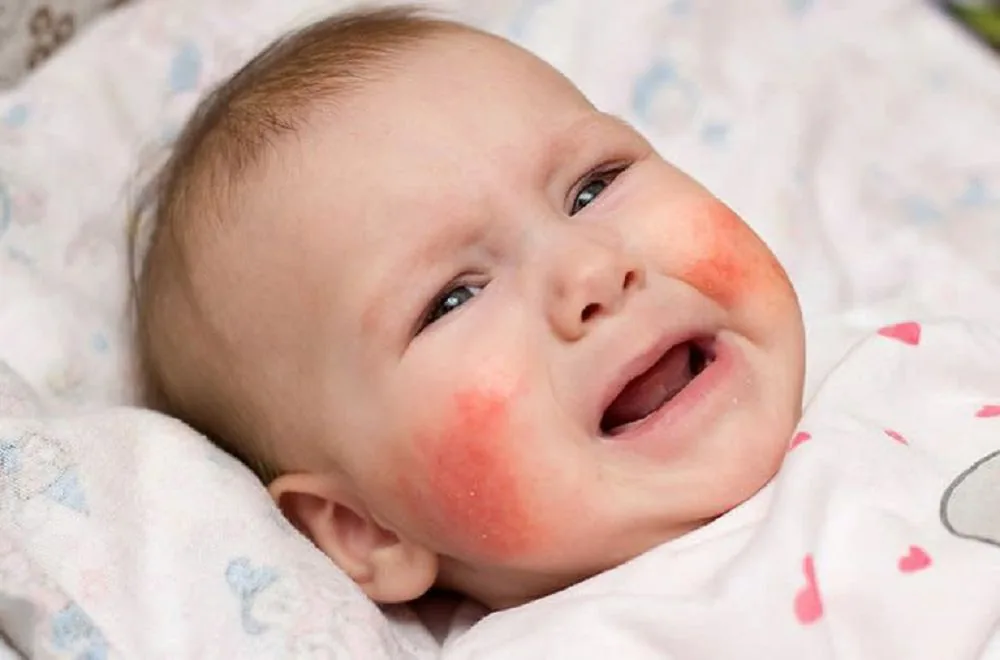
Essential Parental Strategies for Preventing Pediatric Allergic Dermatitis
Maintaining Optimal Cutaneous Hygiene
Bathe your child daily in lukewarm water using a gentle, hypoallergenic cleanser. After bathing, delicately pat the skin dry with a soft towel and immediately apply a nourishing moisturizer to lock in hydration and prevent dryness.
Avoid Irritating Clothing and Bedding
Select soft, breathable, non-irritating fabrics for both clothing and bed linens. Avoid harsh detergents during laundering to prevent residual allergens from lingering on the fabrics.
Refrain from Scratching
Gently guide your child to avoid scratching, as it can compromise the skin barrier and heighten the risk of secondary infections. Keep their fingernails trimmed short to minimize mechanical skin trauma.
Maintain a Clean, Purified Environment
Ensure your child's living environment remains pristine and free from common irritants such as dust mites, pollen, and harsh chemical agents. Minimizing exposure to these allergens significantly lowers the risk of atopic flare-ups.
Undergo Allergy Testing
If you suspect your child is sensitive to a specific allergen, consult a medical specialist for clinical allergy testing. This evaluation accurately identifies causative triggers and guides precise avoidance strategies.
In summary, atopic dermatitis is a common dermatological condition in pediatric patients. Effective management and prevention entail identifying triggers, avoiding allergens, using tailored skincare products, maintaining skin hygiene, discouraging scratching, and cultivating an irritant-free living space. Should symptoms develop, please consult a physician for individualized clinical care and targeted therapy.
Proactively protect your health with our experienced specialist doctors and advanced medical equipment.
📞 BOOK AN APPOINTMENT NOW: (+84) 28 2200 8686 – (+84) 901 295 399
⏰ Monday – Saturday: Morning 7:30 AM – 12:00 PM, Afternoon 1:30 PM – 5:00 PM | 24/7 Emergency: ((+84) 937 389 539)
💳 Full nationwide health insurance coverage & Direct billing for private insurance accepted