
Are Mouth Ulcers a Cause for Concern?

1. Understanding Recurrent Aphthous Stomatitis (Canker Sores)
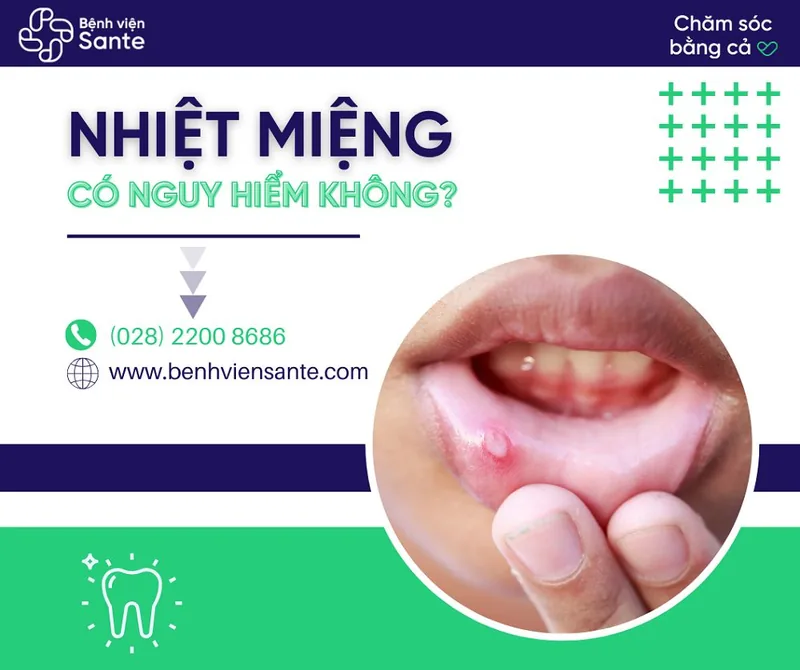
Aphthous stomatitis, commonly referred to as canker sores, is an inflammatory condition characterized by painful mucosal ulcers in the oral cavity that cause significant discomfort during eating or speaking.
2. Etiology and Predisposing Factors
The development of aphthous ulcers is frequently linked to a combination of the following factors:
- Mechanical mucosal trauma resulting from vigorous tooth brushing, accidental cheek biting, sports-related impacts, or dental interventions.
- Consumption of spicy, acidic, or irritating foods, as well as the use of oral care formulations containing sodium lauryl sulfate (SLS).
- Nutritional deficiencies in vitamin B12, zinc, iron, or folic acid, or imbalances associated with specific oral bacteria.
- Hormonal fluctuations associated with menstruation or pregnancy.
- Psychological stress, chronic fatigue, or a distinct familial and genetic predisposition to aphthous stomatitis.
- Underlying systemic conditions, including Crohn's disease, celiac disease, HIV/AIDS, systemic lupus erythematosus, or Behçet's syndrome.
3. Clinical Manifestations
Characteristic signs and symptoms of aphthous ulcers include:
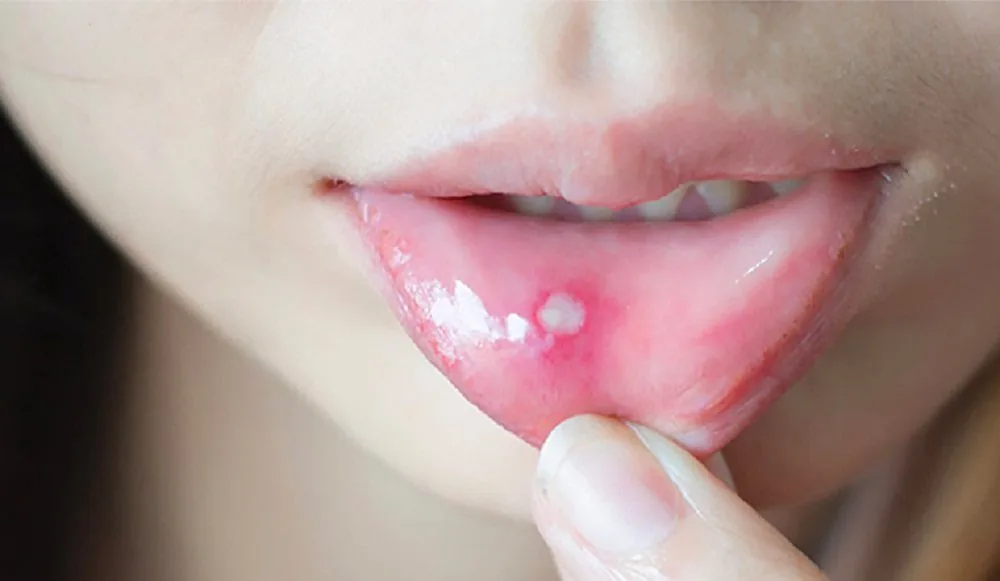
- The formation of one or multiple discrete, shallow ulcers measuring 1 to 2 mm across, featuring a white or pale yellow center bordered by an erythematous ring.
- Lesions typically localize to non-keratinized mucosa, such as the inner cheeks, lips, tongue, soft palate, and gingiva.
- The lesions induce an acute burning sensation, heightened upon direct contact with food, beverages, or saliva.
- In uncommon cases, patients may present with systemic symptoms such as low-grade fever, generalized malaise, or regional lymphadenopathy.
4. Therapeutic Approaches and Care Guidelines
Depending on etiology and severity, uncomplicated aphthous ulcers generally resolve spontaneously within one to two weeks.During the recovery phase, the following supportive measures may be employed to relieve discomfort and expedite mucosal healing:
- Gently rinsing the oral cavity with sterile isotonic saline or a mild, diluted saline rinse.
- Applying topical oral formulations containing benzocaine, fluocinonide, hydrocortisone, or lidocaine to effectively mitigate localized pain.
- Using antiseptic oral rinses formulated with chlorhexidine or dilute hydrogen peroxide to prevent secondary bacterial complications.
- TRefraining from the consumption of overly spicy, acidic, highly seasoned, or scalding hot foods and drinks.
- Abstaining from tobacco, alcohol, and oral hygiene products formulated with SLS.
- Administering targeted supplementation of vitamin B12, zinc, iron, or folic acid when laboratory-confirmed deficiencies exist.
Should ulcers recur persistently, remain unhealed beyond two weeks, appear unusually extensive, or impair swallowing and speech, prompt clinical consultation is strongly advised for definitive diagnosis and individualized care.
5. What are the preventive measures for canker sores (aphthous ulcers)?
To minimize the risk of developing canker sores, adopting the following preventive practices is recommended:
- Maintain meticulous oral hygiene.
- Choose an SLS-free, fluoride-enriched toothpaste to protect and nurture oral tissues.
- Maintain a wholesome, balanced diet, avoiding foods that trigger mucosal irritation or allergies.
- Alleviate daily stress through regular physical exercise, mindfulness meditation, deep breathing exercises, or restorative hobbies.
- Schedule routine health check-ups to identify and promptly manage any underlying conditions linked to aphthous stomatitis.
Canker sores are a common, benign condition that rarely poses serious health concerns.However, without attentive care and timely intervention, it can lead to considerable discomfort in daily life.Therefore, implementing proactive prevention and targeted remedies is essential to effectively resolve this concern.
Proactively protect your health with our experienced specialist doctors and advanced medical equipment.
📞 BOOK AN APPOINTMENT NOW: (+84) 28 2200 8686 – (+84) 901 295 399
⏰ Monday – Saturday: Morning 7:30 AM – 12:00 PM, Afternoon 1:30 PM – 5:00 PM | 24/7 Emergency: ((+84) 937 389 539)
💳 Full nationwide health insurance coverage & Direct billing for private insurance accepted